We have all been there. You are hoping for a quick and healthy meal, and your thin-sliced chicken breast comes out dry, rubbery, and utterly bland. It is a common kitchen frustration, especially with delicate cuts. But what if I told you there is a foolproof way to achieve perfectly juicy, tender thin-sliced chicken breast every single time? Get ready to transform your weeknight dinners. This article will unveil my innovative ‘Mayo-Mustard Shield’ method, promising a revolution in your chicken cooking.
Why You’ll Love This Recipe
This recipe introduces my secret weapon: the ‘Mayo-Mustard Shield’ method. Thin-sliced chicken breast has a high surface-area-to-volume ratio, making it incredibly prone to drying out. My unique twist creates a protective layer that ensures unparalleled juiciness.
Here is why it works. By coating the chicken with a small amount of mayonnaise and Dijon mustard, you form an emulsified fat barrier. The egg and oil in the mayonnaise act like a natural insulator, shielding the delicate chicken proteins from the oven’s intense heat. This prevents moisture from escaping. The Dijon mustard adds a subtle, gentle acidity that helps tenderize the chicken even further, without an overpowering flavor.
This method offers several key benefits for the home cook. You will achieve unrivaled juiciness, ensuring your thin-sliced chicken stays tender and moist, even if it cooks a minute or two longer than planned. It provides reliable results, taking the guesswork out of cooking these delicate cuts. This simple addition makes a huge difference in taste and texture, perfect for quick and easy weeknight meals. Plus, this perfectly cooked thin-sliced chicken breast is incredibly versatile, serving as a delicious base for countless meals.
Ingredients Needed
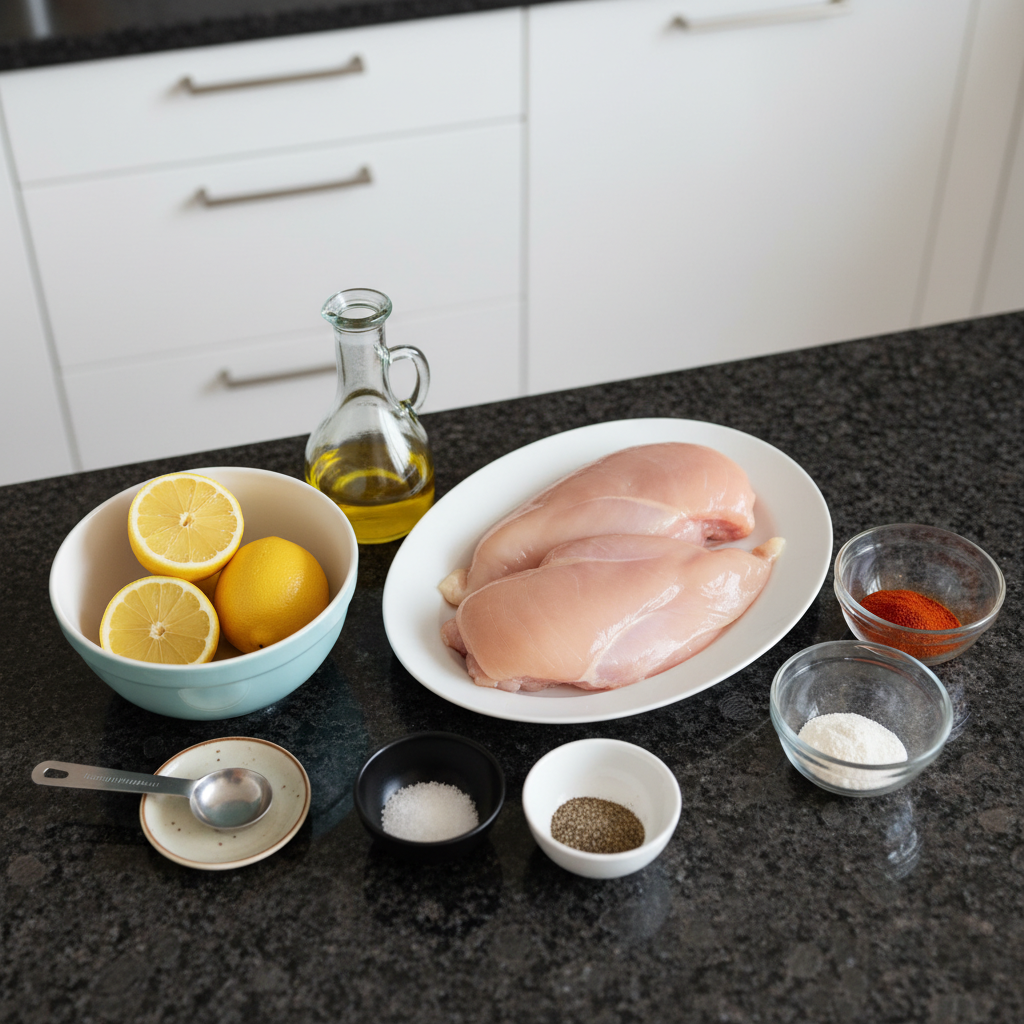
Here is what you will need for this recipe:
* 1 lb chicken breasts (boneless, skinless)
* Juice of ½ lemon
* 1 tbsp olive oil
* ½ tsp salt
* ¼ tsp black pepper
* ¼ tsp garlic powder
* ½ tsp paprika
* 1 tbsp mayonnaise
* 1 tsp Dijon mustard
Ingredient Notes & Substitutions
Chicken Breasts: I often find pre-sliced chicken cutlets at the grocery store for convenience. If you are starting with whole chicken breasts, you will slice them yourself as directed in the instructions. This lean protein is an excellent foundation for many healthy meals.
Mayonnaise & Dijon Mustard: These are the stars of our ‘Mayo-Mustard Shield’. Use a good quality mayonnaise for the best results, whether it is a standard brand or an avocado oil-based one. For those with dietary restrictions, many dairy-free mayonnaise alternatives work beautifully here. The Dijon mustard provides the subtle acidity and flavor depth without being too strong.
Spices: The salt, pepper, garlic powder, and paprika create a classic, savory flavor profile. Feel free to adjust these levels to your liking. This combination is a fantastic gluten-free seasoning blend for everyday use. You can also experiment with other pantry staples like onion powder or a pinch of cayenne for heat.
Lemon Juice/Olive Oil: Freshly squeezed lemon juice always offers a brighter flavor than bottled, but either will work. A good quality extra virgin olive oil enhances the overall taste and helps the spices adhere.
How to Make Thin-Sliced Chicken Breast
My kitchen is a place for delicious, fuss-free cooking, and this thin-sliced chicken breast recipe truly delivers on that.
Prepare Your Oven
First, preheat your oven to a robust 400 degrees Fahrenheit. This high heat is crucial for a quick cook and to achieve a nice exterior without drying out the interior.
Slice the Chicken
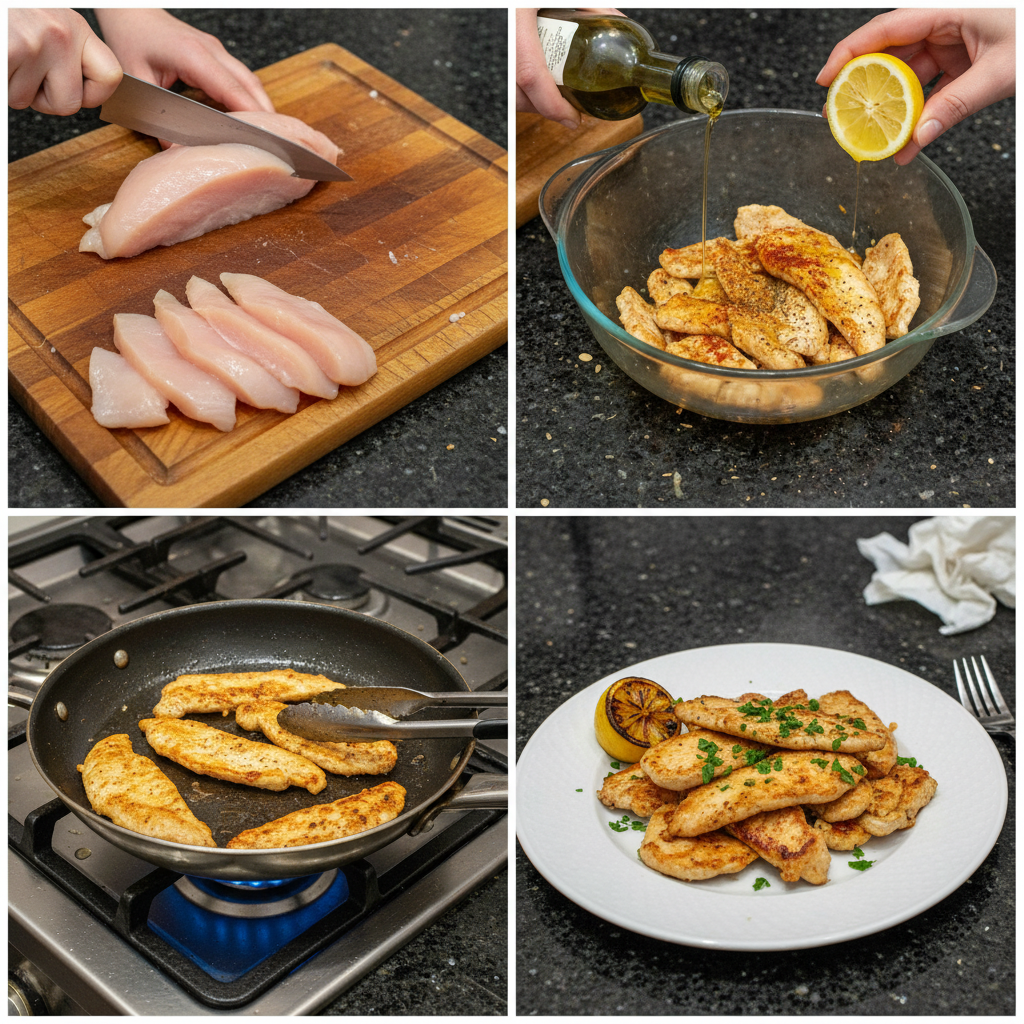
Next, let us get our chicken ready. If you have whole chicken breasts, use a sharp knife to gently slice them lengthwise. Start from the thickest part and work your way to the thinnest. Aim for a uniform thickness, ideally about ¼ inch. If your breasts are particularly thick, you can place them between two pieces of plastic wrap and use a meat mallet to gently pound them to that consistent ¼ inch thickness. Uniformity ensures even cooking.
Apply the Mayo-Mustard Shield
Now for the magic. Place your thin-sliced chicken breasts in a bowl. Add the 1 tablespoon of mayonnaise and 1 teaspoon of Dijon mustard. With clean hands, gently rub and coat each piece of chicken evenly with this mixture. Make sure every surface is covered; this is your juiciness insurance.
Season the Chicken
Drizzle the coated chicken with the olive oil and juice of half a lemon. Then, sprinkle generously with salt, black pepper, garlic powder, and paprika. Take a moment to rub these spices directly into the meat fibers. This ensures maximum flavor penetration and a delicious crust.
Bake to Perfection
Arrange the seasoned chicken in an oven-safe baking dish. For incredibly easy cleanup, I always recommend lining your baking dish with parchment paper. Place the dish in your preheated oven and bake for about 15-20 minutes. The exact time will depend on the thickness of your chicken. The key is to use an instant-read thermometer. Insert it into the thickest part of a chicken breast to ensure the internal temperature reaches 165 degrees Fahrenheit. Remember that carry-over cooking will continue to raise the temperature slightly once out of the oven, so 165F is your target. You will notice faint browning and golden edges when it is perfectly done.
Rest the Meat
Once baked, remove the chicken from the oven and let it rest for 5 minutes right in the baking dish. This crucial step allows the juices to redistribute throughout the meat, guaranteeing maximum tenderness and moisture retention.
Final Slicing
Finally, slice the cooked chicken into thin strips. I often use kitchen shears for this, as they give me great control for clean, even cuts.
Mastering Thin Chicken Slicing & Preventing Water Release
Achieving perfectly cooked thin-sliced chicken is a skill that makes a huge difference in your home cooking. Let us refine those techniques.
Cutlets, Tenders, or Strips: Choosing Your Slice
When you buy or prepare thin-sliced chicken, you often have choices. Chicken cutlets are typically made by horizontally slicing a whole breast in half to create two thinner pieces. This horizontal slicing, sometimes called butterflying, is excellent for quick cooking and consistent thickness. If you are aiming for smaller, quicker-cooking pieces for stir-fries or wraps, you might opt for diagonal strips. For any of these, uniform thickness is key. If you start with thicker whole breasts, a meat mallet is your best friend. Pounding the chicken to an even ¼ inch thickness prevents those frustrating unevenly dried edges and undercooked centers.
Preventing Water Release & Ensuring Juiciness
One common issue I hear about is chicken releasing too much water in the pan or baking dish, leading to steamed, rather than seared or roasted, chicken. This is almost always due to crowding. When you overcrowd your baking dish, the moisture cannot evaporate quickly, and the chicken essentially boils in its own juices. To avoid this, give your chicken pieces some space in the pan. My recipe calls for high heat roasting at 400 degrees Fahrenheit. This optimal oven temperature helps to quickly sear the exterior, locking in juices and preventing the chicken from steaming. And of course, the ‘Mayo-Mustard Shield’ is a primary preventative measure against dryness and moisture loss, working as an extra layer of protection to keep your chicken succulent. These principles are rooted in cooking science and safety, ensuring delicious and safe results.
Pro Tips & Troubleshooting
Cooking delicate thin-sliced chicken does not have to be intimidating. With these expert tips and awareness of common mistakes, you will be a pro in no time.
Pro Tips for Perfectly Tender Chicken Breasts
Pounding for Uniformity: For truly even cooking, use a meat mallet to pound chicken breasts to a consistent ¼ inch thickness before seasoning. This ensures every part cooks at the same rate.
Temperature Matters: Always, always use an instant-read thermometer. It is the only way to accurately know when your chicken has reached exactly 165 degrees Fahrenheit, which is the food-safe temperature and guarantees optimal juiciness.
Flavor Rub: Do not just sprinkle; rub your spices directly into the meat fibers. This maximizes flavor adhesion and creates a more delicious crust.
Prep Time Saver: If you are short on time, do not hesitate to buy pre-sliced thin chicken cutlets. They are a fantastic shortcut for busy weeknights.
The Mayo-Mustard Shield: Remember to apply this unique twist right before you add your olive oil and dry seasonings for optimal results. It is your secret weapon for juicy chicken.
Parchment Paper: For the easiest cleanup, line your baking dish with parchment paper. It is a simple step that saves scrubbing later.
Common Mistakes to Avoid
Uneven Slicing: Unevenly slicing chicken leads to dry edges and undercooked centers. Take your time to ensure a consistent thickness across all pieces.
Low Baking Temperature: Baking chicken below 400 degrees Fahrenheit can lead to steamed chicken instead of a nicely roasted exterior. High heat is your friend here.
No Carry-Over Cooking Account: Do not cook chicken past 165 degrees Fahrenheit in the oven. The meat will continue to cook for a few minutes after it is removed from the heat. This carry-over cooking means if you pull it out later, it will likely be dry.
Crowding the Pan: Overcrowding your baking dish leads to steaming instead of roasting, resulting in excess moisture release and rubbery chicken. Give each piece space.
Cross-Contamination: Always practice safe handling. Use separate cutting boards and utensils for raw chicken to prevent cross-contamination. Wash your hands thoroughly with soap and water after handling raw meat.
Serving & Storage
This perfectly cooked thin-sliced chicken breast is incredibly versatile and makes for a fantastic lean protein base in countless meals.
Delicious Serving Ideas
Its simplicity allows it to pair with almost anything. I love dicing it and tossing it over a vibrant Thai chopped salad or serving it with fluffy curried couscous. For a quick lunch, stuff it into fresh kale Caesar wraps. For a more comforting dinner, serve it alongside crispy smashed broccoli and sweet potato fries, or perhaps as part of some ultimate skillet chicken fajitas. You can even top it with an easy chicken gravy for a traditional, satisfying meal. This lean protein is fantastic for low carb or Keto pairing options and supports satiety and weight management.
Storage and Make-Ahead Tips
Refrigerator: Cooked thin-sliced chicken breast can be stored in an airtight container in the refrigerator for 3-4 days. It is perfect for meal prep throughout the week.
Freezing: You can absolutely freeze cooked thin-sliced chicken breast without it becoming rubbery. First, ensure the chicken is completely cool. Then, arrange the slices in a single layer on a parchment-lined baking sheet and freeze until solid. Transfer the frozen pieces to a freezer-safe airtight container or bag, removing as much air as possible. This prevents them from sticking together. It will keep well for up to 3 months. You can also freeze raw, pre-prepped chicken cutlets this way.
Reheating: For reheating tips for juiciness, gentle methods are best. Reheat in a preheated oven at 300 degrees Fahrenheit until just warmed through, or in an air fryer at 350 degrees Fahrenheit for a few minutes. If using a microwave, add a splash of broth to the dish to help retain moisture and cover it loosely. Avoid overheating to maintain tenderness. This recipe is an ideal candidate for batch cooking for the week, making meal prep a breeze.
Conclusion
So, there you have it: the secret to achieving perfectly juicy, tender thin-sliced chicken breast every time. My unique ‘Mayo-Mustard Shield’ method combined with precise cooking techniques ensures that dry, rubbery chicken is a thing of the past. It is a simple addition that yields truly remarkable results, making this recipe a winner for both ease of preparation and incredible taste.
I am confident that even beginner cooks will achieve flawless, succulent chicken with these strategies. I encourage you to try this recipe in your kitchen this week. Experiment with variations like an Italian-style seasoning blend, or adapt it for an air fryer conversion. Explore the many serving ideas I have shared and make this versatile lean protein a staple in your meal rotation. Feel free to save this recipe, share it with your friends and family, and explore other delicious chicken recipes right here on my blog.
FAQ
What is the difference between thin sliced chicken breast and chicken cutlets?
The terms are often used interchangeably, but generally, a thin-sliced chicken breast refers to a whole breast that has been cut horizontally to make it thinner. Chicken cutlets are often pre-portioned, thinner pieces of chicken breast, whether they were originally thin or pounded thin. The goal for both is a thinner piece of meat that cooks quickly and evenly.
How long should I bake thin chicken cutlets at 400°F?
You should bake thin chicken cutlets at 400°F for about 15-20 minutes. The most accurate way to know when they are done is to use an instant-read thermometer to ensure the internal temperature reaches 165 degrees Fahrenheit.
How do I slice a chicken breast into thin cutlets safely?
To slice a chicken breast into thin cutlets safely, place the breast on a stable cutting board. Hold it firmly with one hand, pressing down evenly. Use a very sharp knife to slice horizontally from the thickest part to the thinnest, moving the knife in a smooth, even motion. Always keep your fingers tucked away from the blade.
Do I need to flip thin chicken breasts while baking?
No, you typically do not need to flip thin chicken breasts while baking at 400°F. The high heat of the oven will cook them evenly on both sides without the need for turning, especially when using the protective ‘Mayo-Mustard Shield’.
How do I know when thin chicken is done without a thermometer?
While I strongly recommend using an instant-read thermometer for food safety and optimal juiciness, you can visually check for doneness. Cooked chicken will appear opaque throughout, with no pinkness in the center. The juices should run clear when you pierce the thickest part with a knife. However, these are secondary checks; a thermometer is always best.
How do I keep thin chicken breasts from drying out in the oven?
To keep thin chicken breasts from drying out, use my ‘Mayo-Mustard Shield’ method to create a protective barrier. Also, ensure you cook at a high temperature (400°F) to cook quickly without excessive moisture loss, avoid overcrowding the pan, and always use an instant-read thermometer to pull the chicken from the oven at precisely 165 degrees Fahrenheit to prevent overcooking.
Can I cook frozen thin-sliced chicken breast?
It is best to thaw frozen thin-sliced chicken breast completely before cooking for the most even results. Cooking from frozen can lead to uneven cooking, with the outside cooking faster than the inside, potentially resulting in dry edges. Thaw overnight in the refrigerator or use the defrost setting on your microwave.
How do I safely pound chicken without making a mess?
To safely pound chicken without making a mess, place the chicken breast between two sheets of plastic wrap or inside a large freezer bag. This prevents chicken juices from splattering. Use the flat side of a meat mallet to gently pound the chicken to your desired thickness, starting from the thickest part and working your way out.
Juicy Thin-Sliced Chicken Breast: The Mayo-Mustard Shield Method
Ingredients
Equipment
Method
- First, preheat your oven to a robust 400 degrees Fahrenheit. This high heat is crucial for a quick cook and to achieve a nice exterior without drying out the interior.
- If you have whole chicken breasts, use a sharp knife to gently slice them lengthwise. Start from the thickest part and work your way to the thinnest. Aim for a uniform thickness, ideally about ¼ inch. If your breasts are particularly thick, you can place them between two pieces of plastic wrap and use a meat mallet to gently pound them to that consistent ¼ inch thickness. Uniformity ensures even cooking.
- Place your thin-sliced chicken breasts in a bowl. Add the 1 tablespoon of mayonnaise and 1 teaspoon of Dijon mustard. With clean hands, gently rub and coat each piece of chicken evenly with this mixture. Make sure every surface is covered; this is your juiciness insurance.
- Drizzle the coated chicken with the olive oil and juice of half a lemon. Then, sprinkle generously with salt, black pepper, garlic powder, and paprika. Take a moment to rub these spices directly into the meat fibers. This ensures maximum flavor penetration and a delicious crust.
- Arrange the seasoned chicken in an oven-safe baking dish. For incredibly easy cleanup, I always recommend lining your baking dish with parchment paper. Place the dish in your preheated oven and bake for about 15-20 minutes. Use an instant-read thermometer to ensure the internal temperature reaches 165 degrees Fahrenheit. Remember that carry-over cooking will continue to raise the temperature slightly once out of the oven.
- Once baked, remove the chicken from the oven and let it rest for 5 minutes right in the baking dish. This crucial step allows the juices to redistribute throughout the meat, guaranteeing maximum tenderness and moisture retention.
- Finally, slice the cooked chicken into thin strips. Kitchen shears can be used for great control for clean, even cuts.