Few dishes embody the cozy spirit of fall and winter quite like a rich, velvety butternut squash soup. As the leaves turn and the air grows crisp, my kitchen invariably fills with the warm, inviting aroma of this seasonal classic. But today, I’m thrilled to share a recipe that takes your beloved butternut squash soup to an entirely new level, marrying comforting tradition with a vibrant, unexpected twist. Get ready to discover a deeply satisfying, easy-to-follow recipe, packed with expert tips, that promises a beautifully balanced, creamy soup perfect for family meals or elegant holiday gatherings.
Why You’ll Love This Recipe
I’ve crafted this recipe to be not just a soup, but an experience – a harmonious blend of familiar comfort and exciting new flavors that will leave you reaching for a second bowl.
The Secret Ingredient: Our Signature Apple & Spice Twist
My unique twist for this butternut squash soup centers on two simple additions that create remarkable depth. First, I love to roast a crisp Granny Smith apple alongside the butternut squash and potatoes. The apple’s subtle tartness brightens the rich squash, enhancing its natural sweetness and elegantly cutting through any potential heaviness. Then, during the mirepoix sauté, I introduce a pinch of freshly grated nutmeg and a hint of ground ginger with the fresh thyme. These spices provide a classic warmth and complexity, elevating the flavor profile and adding that extra ‘orange taste’ and aroma without being overpowering.
More Reasons to Love This Butternut Squash Soup
- Irresistibly Creamy & Velvety: We achieve a luxurious, smooth texture without relying on excessive cream, letting the natural goodness of the roasted vegetables shine.
- Packed with Flavor: Expect deep, caramelized notes from roasting, complemented by an aromatic mirepoix base and our special spice blend.
- Perfect for Meal Prep: This butternut squash soup is incredibly easy to make ahead, store, and reheat, making it ideal for busy weeknights or future delicious lunches.
- Versatile & Adaptable: Easily modify this recipe to be vegetarian, dairy-free, or low-carb, ensuring it fits various dietary needs and preferences.
Ingredients Needed
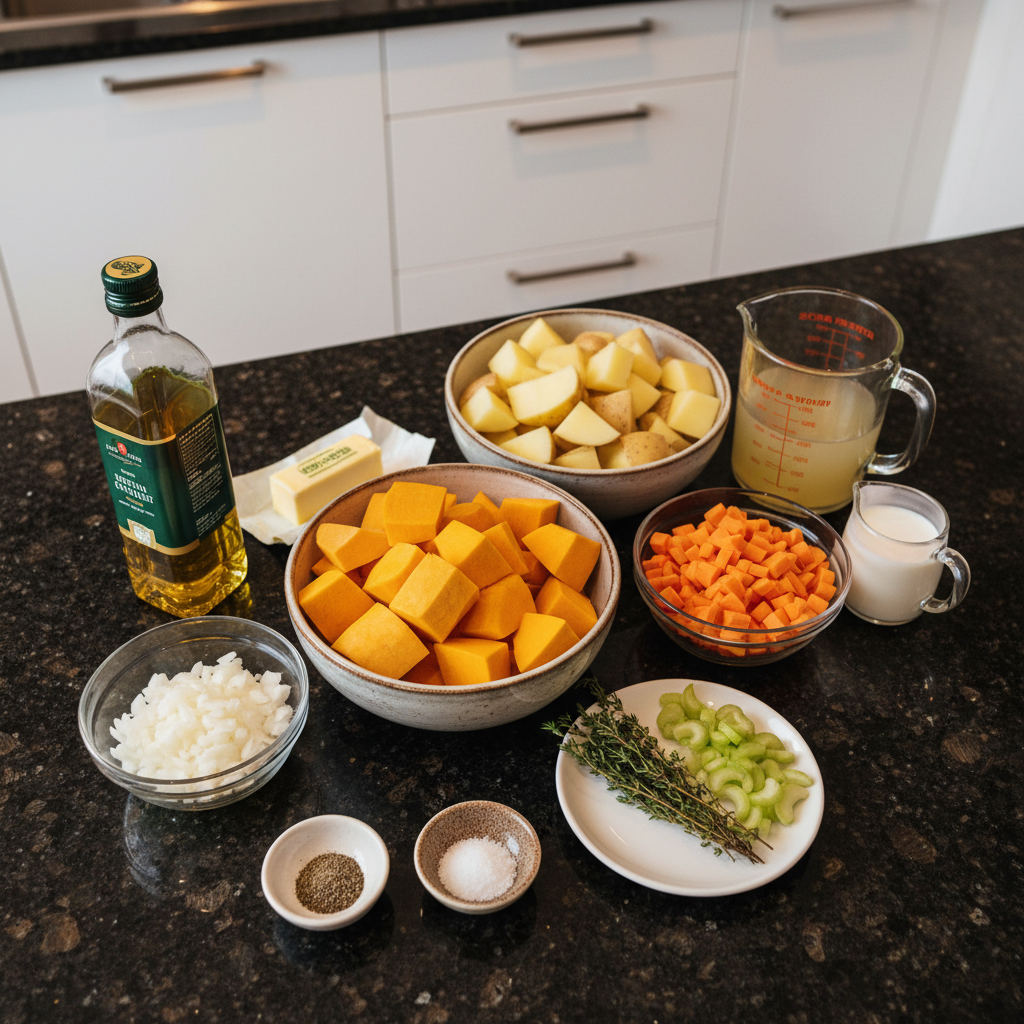
To create this culinary masterpiece in your own kitchen, gather these fresh, wholesome ingredients:
- 1 large butternut squash, peeled and cubed into 1″ pieces (seeds removed)
- 2 potatoes, peeled and chopped into 1″ pieces
- 3 tbsp. extra-virgin olive oil
- Kosher salt
- Freshly ground black pepper
- 1 tbsp. butter
- 1 onion, chopped
- 1 stalk celery, thinly sliced
- 1 large carrot, chopped
- 1 tbsp. fresh thyme, plus more for garnish
- 1 qt. low-sodium chicken broth
- Cream, for serving (optional)
Ingredient Notes & Substitutions
A few notes on selecting and preparing your ingredients to ensure the best possible butternut squash soup:
- Butternut Squash: When selecting your butternut squash, look for one that is firm, heavy for its size, and free of any soft spots or blemishes. Roasting the squash is key to developing deep, caramelized sugars and an incredibly rich flavor.
- Potatoes: I recommend starchy potatoes like Yukon Gold potatoes or russet potatoes for their creamy texture when blended, much like in a classic creamy potato soup. For a low-carb alternative, cauliflower or even sweet potatoes can be wonderful substitutes; simply roast them alongside the squash.
- Broth: To make this recipe completely vegetarian or vegan, simply substitute the chicken broth with a good quality vegetable broth.
- Cream: A swirl of cream adds a touch of luxurious richness, but it’s entirely optional. For a dairy-free or vegan option, full-fat coconut milk works beautifully for a similar creamy texture.
- Thyme: While fresh thyme offers the best aroma, if it’s unavailable, you can substitute 1 teaspoon of dried thyme. Sage or rosemary can also offer a lovely complementary flavor profile.
- Seasoning (Salt & Pepper): When I say “season generously,” I typically start with about 1/2 teaspoon of Kosher salt and 1/4 teaspoon of black pepper per pound of vegetables, and then adjust to taste as the soup comes together. Layered seasoning is crucial!
- The Apple: Don’t forget our star secret ingredient! A small Granny Smith apple, peeled, cored, and chopped, will be roasted with the squash and potatoes, adding that brilliant brightness.
- Spices: A tiny pinch of freshly grated nutmeg and about 1/4 teaspoon of ground ginger go into the pot with your mirepoix, providing that signature warmth that makes this soup truly special.
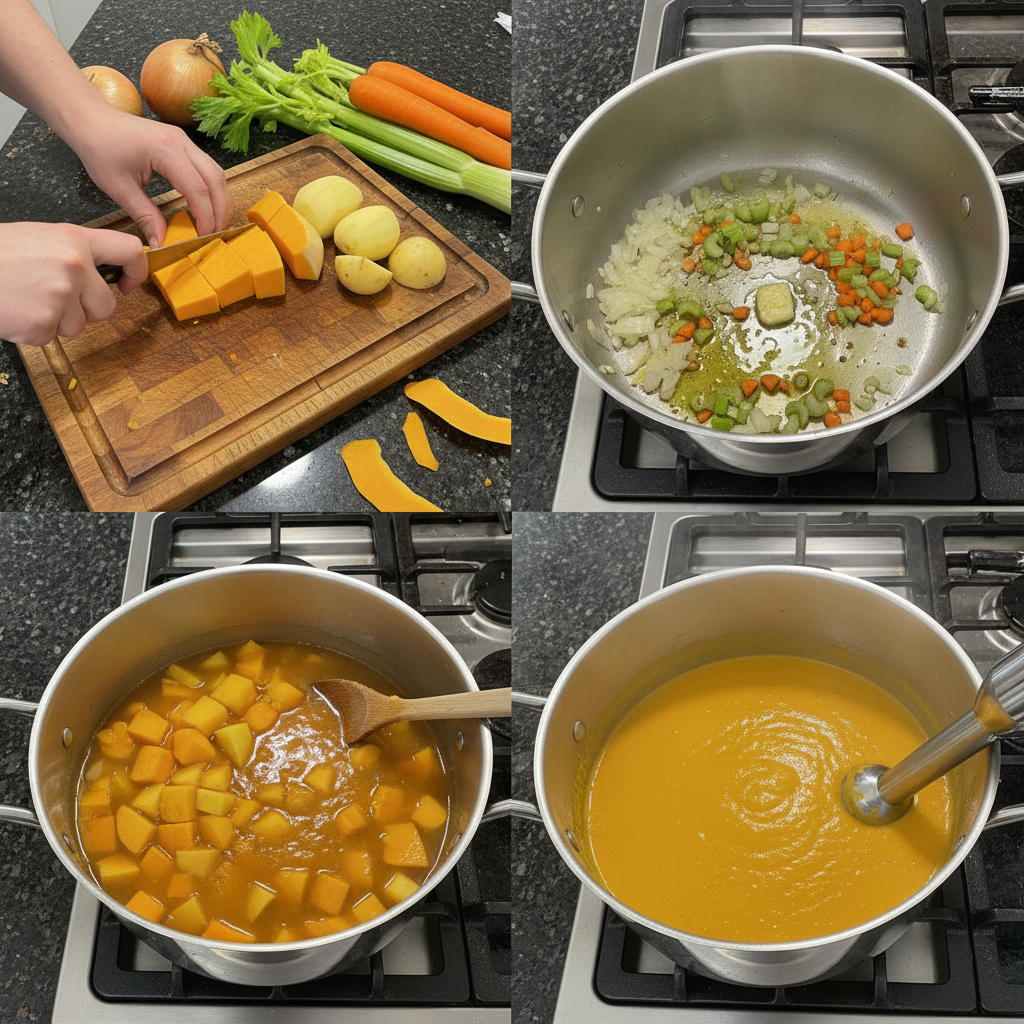
How to Make Butternut Squash Soup: Step-by-Step
Follow these steps to create your perfectly creamy and flavorful butternut squash soup:
Step 1: Roasting the Vegetables for Deep Flavor
Preheat your oven to 400ºF (200ºC). On a large baking sheet, toss the butternut squash, potatoes, and our special addition, one peeled, cored, and chopped Granny Smith apple, with 2 tablespoons of extra-virgin olive oil. Season them generously with Kosher salt and freshly ground black pepper. Spread them in a single layer to ensure even roasting. Roast until the vegetables are tender, with beautiful golden edges, which usually takes about 30-35 minutes. Roasting is where the magic happens, caramelizing the sugars and intensifying the flavor.
Chef’s Note on Squash Prep: For safety, start by slicing off both ends of the butternut squash to create flat, stable surfaces. Use a sharp vegetable peeler or a sturdy chef’s knife to remove the skin. Then, cut the squash in half lengthwise, scoop out the seeds and stringy bits, and chop into 1-inch cubes. A sturdy cutting board is essential here!
Step 2: Building the Flavor Base with Mirepoix
Meanwhile, in a large pot (a Dutch oven works wonderfully) over medium heat, melt the butter with the remaining 1 tablespoon of extra-virgin olive oil. Add the chopped onion, thinly sliced celery, and chopped carrot. This classic aromatic base is known as mirepoix. Cook the vegetables slowly, stirring occasionally, until they are beautifully softened and the onion is translucent, about 7 to 10 minutes. The low-and-slow cooking extracts maximum flavor. Season generously with a pinch of Kosher salt and freshly ground black pepper, along with your 1 tablespoon of fresh thyme, and our unique warming spices: a pinch of freshly grated nutmeg and about 1/4 teaspoon of ground ginger.
Step 3: Simmering and Blending to Creamy Perfection
Once your roasted squash, potatoes, and apple are tender, add them to the large pot with the softened mirepoix. Pour in the 1 quart of low-sodium chicken broth. Bring the mixture to a gentle simmer, then reduce the heat and let it continue to simmer for about 10 minutes. This allows all those incredible flavors to meld together beautifully.
Next, it’s time to transform your chunky vegetables into a luxurious, creamy soup. Using an immersion blender directly in the pot, blend the soup until it’s completely smooth and velvety. Be sure to keep the blender head submerged to avoid splashing. Alternatively, if you don’t have an immersion blender, carefully transfer batches of the hot soup to a standard blender. Remember to fill the blender only halfway, secure the lid, remove the center cap (if applicable) to allow steam to escape, and cover the opening with a kitchen towel to prevent pressure buildup. Blend until your butternut squash soup is perfectly creamy.
Step 4: Serving Your Delicious Soup
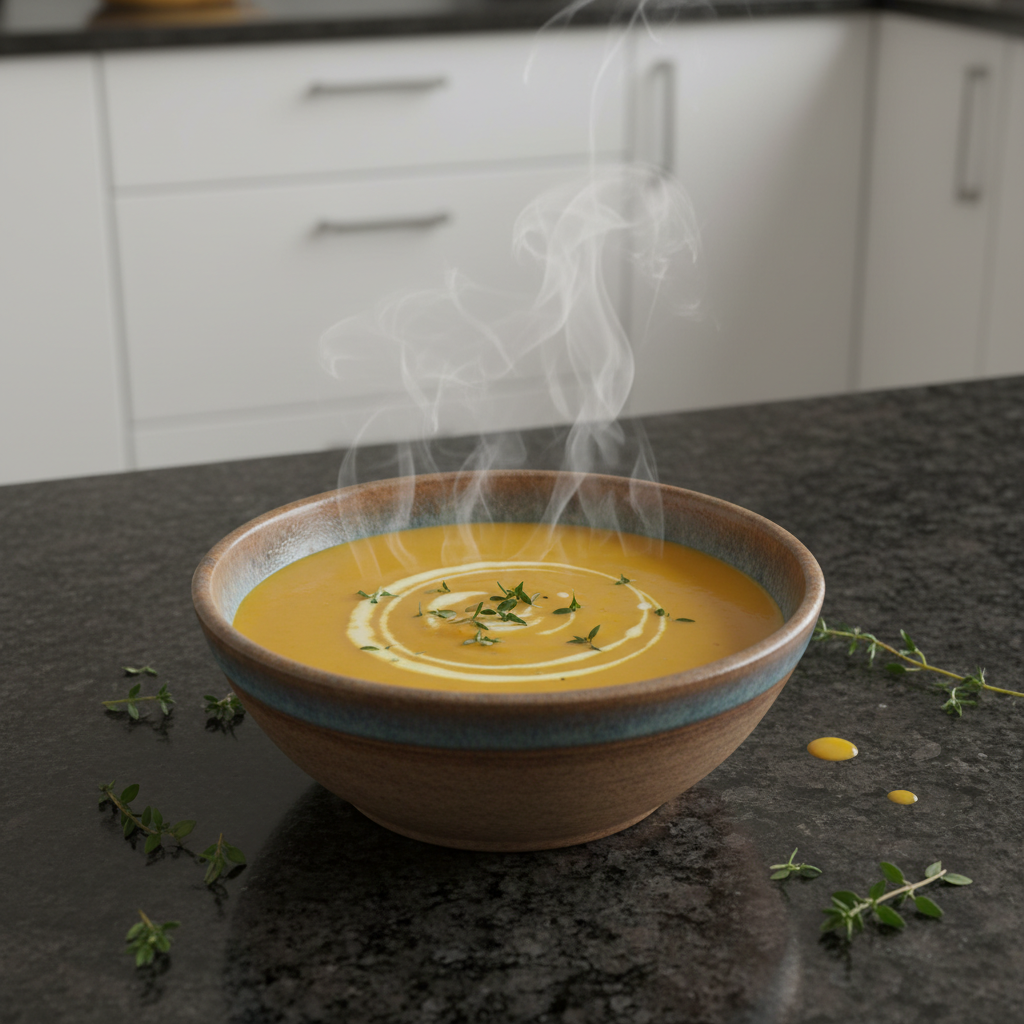
Taste and adjust any seasonings as needed. Ladle the warm, comforting butternut squash soup into bowls. Garnish with a sprinkle of fresh thyme or any other toppings you desire, and serve immediately!
Mastering Butternut Squash & Making it Your Own
Here’s how to choose the best ingredients and the right tools for your culinary success.
Selecting the Best Butternut Squash & Easy Prep
The foundation of a great butternut squash soup starts with a great squash! Look for a butternut squash that feels firm and heavy for its size, indicating good moisture content. Its skin should be dull, not shiny, and free of any soft spots, bruises, or deep cuts. For safe and easy prep, I have a few tricks:
- Stabilize First: Before peeling, slice off about a quarter-inch from both the top and bottom of the squash. This creates flat, stable surfaces, preventing the squash from rolling while you work.
- Peeling: Use a sharp, sturdy vegetable peeler for the quickest results. If the skin is particularly tough, a sharp chef’s knife will also do the trick, carefully slicing strips away from yourself.
- Cutting: Once peeled, cut the squash in half lengthwise. Use a spoon to scoop out the seeds and fibrous strands. Then, place the cut side down and chop into 1-inch cubes.
- Pro Tip for Tough Squash: If you find a particularly stubborn squash, you can pre-bake the whole squash at 300°F (150°C) for 1-2 hours until it’s slightly softened. This makes peeling and cutting significantly easier!
Essential Equipment for a Velvety Soup
Having the right tools makes all the difference in achieving that professional chef quality:
- Baking Sheet: A large, sturdy baking sheet is crucial for ensuring your butternut squash, potatoes, and apple roast evenly without steaming. Give them plenty of space!
- Large Pot: A heavy-bottomed large pot, such as a Dutch oven or a substantial stockpot, is ideal for sautéing your mirepoix and simmering the soup without scorching.
- Immersion Blender vs. Regular Blender:
- An immersion blender (or stick blender) is incredibly convenient. You can blend the soup directly in the pot, saving on dishes and making the process seamless. Remember to keep the blender head submerged and move it slowly to avoid splashes of hot liquid.
- A standard blender will also achieve a wonderfully creamy and smooth texture, often even smoother than an immersion blender. However, you must blend in batches, filling the blender only halfway, and always vent the lid (covering with a kitchen towel) to allow steam to escape and prevent pressure buildup. Safety first when blending hot liquids!
Pro Tips & Troubleshooting for Butternut Squash Soup
Even the best recipes benefit from a little expert guidance. Here are my top tips and solutions for common hiccups.
Pro Tips for the Best Butternut Squash Soup
- Roast for Flavor: This is non-negotiable! Roasting the squash (and our special Granny Smith apple!) is absolutely critical. It caramelizes the natural sugars, intensifying their sweetness and creating a deep, complex flavor profile that boiling or steaming simply can’t achieve.
- Build the Base Slowly: Take your time sautéing the mirepoix (onion, celery, carrot) `low-and-slow` for 7-10 minutes until they are very soft and fragrant. This extracts maximum aromatic flavor and prevents a raw, harsh taste.
- Season at Every Stage: Don’t wait until the end! Season `generously with salt and pepper` during the roasting stage and again when sautéing the mirepoix. Layering your seasonings throughout the cooking process is crucial for preventing a bland soup and building complex flavor.
- Embrace the Twist: Remember how the tart Granny Smith apple adds a delightful brightness, while the nutmeg and ginger bring a unique warmth? These seemingly small additions make this butternut squash soup uniquely balanced and irresistible.
- Blend Safely: Whether using an immersion blender or a standard blender, always exercise caution with hot liquids. Keep immersion blenders fully submerged, and for standard blenders, blend in small batches with a vented lid covered by a towel.
Common Mistakes to Avoid
- Skipping the Roasting: If you boil or steam your squash instead of roasting it (and the apple!), you’ll end up with a less flavorful, potentially watery soup. The caramelization from roasting is irreplaceable.
- Under-Seasoning: A common culprit for `bland soup`! If your soup tastes flat, it almost always needs more salt. Adjust seasoning at the end, adding small increments until the flavors pop. A squeeze of lemon juice or a splash of apple cider vinegar can also brighten a dull soup.
- Improper Blending: Rushing the blending process or not following safety guidelines for `hot soup` can lead to painful splashes or an exploded lid. Always proceed with care!
- Soup Too Thick or Thin:
- If your soup is too thick, simply whisk in a splash more chicken broth (or vegetable broth/water) until it reaches your desired consistency.
- If it’s too thin, you can simmer it gently for an additional 10-15 minutes to allow some liquid to evaporate, or thicken with a cornstarch slurry (1 tablespoon cornstarch mixed with 1 tablespoon cold water) added gradually while simmering.
Serving & Storage
Once your creamy butternut squash soup is ready, here’s how to serve it perfectly and make it last.
Delicious Serving Ideas
- Garnishes: A swirl of fresh cream or coconut milk, a sprinkle of fresh thyme or chopped chives, toasted pepitas (pumpkin seeds) for a delightful crunch, or crumbled goat cheese crumbles for a tangy counterpoint. A dash of freshly ground black pepper also adds a lovely finish.
- Pairings: Serve alongside a slice of warm, crusty bread for dipping, or a light, peppery green salad for a balanced meal.
- Occasions: This soup is a quintessential fall soup, perfect for cozy evenings, and makes a vibrant and impressive addition to any Thanksgiving menu. For other festive options, you might enjoy a hearty Christmas soup.
Storage & Make-Ahead Tips
This butternut squash soup is a fantastic candidate for meal prep and storing for later enjoyment:
- Refrigeration: Once completely cooled, transfer your butternut squash soup to an airtight container and store it in the fridge for up to 3-4 days. Its flavors often deepen overnight!
- Freezing: This soup freezes beautifully. Allow it to cool completely before portioning into freezer-safe containers or bags. Leave about an inch of headspace to allow for expansion. Freeze for up to 3 months. If you plan to freeze, I recommend adding any cream or dairy garnishes after reheating, as cream can sometimes affect the texture after thawing.
- Reheating:
- Stovetop: Gently reheat on the stovetop over medium-low heat, stirring frequently. If the soup has thickened significantly, add a splash of chicken broth (or water) to restore its original consistency.
- Microwave: Reheat individual portions in the microwave, stirring halfway through, until warmed through. Again, add a splash of liquid if needed.
- Make-Ahead: The flavors of this soup, like many, often deepen and become even more harmonious after a day or two in the fridge, making it an excellent option for entertaining or meal planning.
Conclusion
There you have it—a truly exceptional butternut squash soup recipe that stands out from the rest. The subtle brightness of the Granny Smith apple, combined with the warming embrace of nutmeg and ginger, transforms this comforting classic into something truly special. I’m so confident that this unique twist will become your new go-to. Crafting a restaurant-quality, soul-satisfying `comfort food` soup at home is not only achievable but immensely rewarding, even for novice cooks. So, I encourage you to gather your ingredients, fire up your oven, and dive into the warmth and flavor of this incredible soup. Don’t forget to tell me what you think in the comments below, or share your beautiful bowls on social media! And if you’re looking for more inspiration, explore my other delightful recipes, such as my comforting creamy roasted pumpkin soup.
FAQ
Q: Can I make butternut squash soup ahead of time and freeze it?
A: Yes, absolutely! This butternut squash soup freezes beautifully. Cool it completely, then portion into freezer-safe containers, leaving about an inch of headspace for expansion. It can be frozen for up to 3 months. If you plan to add cream, it’s best to stir it in after reheating to maintain the best texture. Reheat gently on the stovetop or in the microwave, adding a splash of broth if it’s too thick.
Q: What are the best blending methods for creamy butternut squash soup?
A: An immersion blender used directly in the large pot is the easiest and most convenient method, producing a smooth consistency. Alternatively, for an ultra-smooth and velvety texture, you can transfer cooled soup in batches to a standard blender. Remember to fill the blender only halfway, vent the lid (covering the opening with a kitchen towel) to allow steam to escape, and blend until creamy. Always prioritize safety when blending hot liquids.
Q: How can I adjust the sweetness or savory notes in my butternut squash soup?
A: Our unique apple and spice twist naturally balances both sweetness and savory notes. For more sweetness, a touch of maple syrup or brown sugar can be added after blending. For more savory depth, a splash of white wine, a little extra Kosher salt and black pepper, or a pinch of smoked paprika can enhance the flavor. Always taste and adjust gradually.
Q: Are there any low-carb alternatives to potatoes in butternut squash soup?
A: Absolutely! Cauliflower is an excellent low-carb substitute for potatoes. Simply roast it alongside the squash and apple, or add it to the pot with the broth. It will blend just as smoothly and contribute to a creamy texture without the extra carbs.
Q: How do I safely peel and cut a butternut squash?
A: For safety, first slice off both ends of the squash to create stable, flat surfaces. Then, use a sharp vegetable peeler or knife to remove the skin. Cut the squash in half lengthwise, scoop out the seeds and fibrous bits, and then chop into 1-inch cubes. For easier peeling, you can bake the whole squash at 300°F (150°C) for 1-2 hours until slightly softened, then cool before peeling.
Q: What are some popular garnishes and toppings for butternut squash soup?
A: Enhance your soup with a swirl of cream or coconut milk, a sprinkle of fresh thyme or chopped chives, toasted pepitas, goat cheese crumbles, or a dash of freshly ground black pepper for both flavor and visual appeal.
Q: Does roasting the squash really make a difference?
A: Yes, roasting the butternut squash (and our unique Granny Smith apple!) is crucial. It caramelizes the natural sugars, intensifying their sweetness and adding a deeper, more complex flavor profile that boiling or steaming simply can’t achieve. This step is key to preventing a bland, watery soup and maximizing the rich, comforting taste.
Q: My soup is too thick/thin, how do I fix it?
A: If your soup is too thick, simply whisk in a splash more chicken broth (or vegetable broth/water) until it reaches your desired consistency. If it’s too thin, you can simmer it gently for an additional 10-15 minutes to allow some liquid to evaporate, or thicken with a cornstarch slurry (1 tablespoon cornstarch mixed with 1 tablespoon cold water) added gradually while simmering.
Q: What is mirepoix?
A: Mirepoix is a classic French aromatic base for many dishes, including soups and stews. It’s a combination of finely diced onion, carrot, and celery, usually sautéed in butter or olive oil to build a foundational layer of savory flavor.
Creamy Butternut Squash Soup with Apple & Ginger Twist
Ingredients
Equipment
Method
- Preheat your oven to 400ºF (200ºC).
- On a large baking sheet, toss the butternut squash, potatoes, and one peeled, cored, and chopped Granny Smith apple with 2 tablespoons of extra-virgin olive oil.
- Season generously with Kosher salt and freshly ground black pepper.
- Spread them in a single layer and roast until the vegetables are tender with beautiful golden edges, which usually takes about 30-35 minutes.
- Meanwhile, in a large pot (a Dutch oven works wonderfully) over medium heat, melt the butter with the remaining 1 tablespoon of extra-virgin olive oil.
- Add the chopped onion, thinly sliced celery, and chopped carrot.
- Cook slowly, stirring occasionally, until they are beautifully softened and the onion is translucent, about 7 to 10 minutes.
- Season generously with a pinch of Kosher salt, freshly ground black pepper, 1 tablespoon of fresh thyme, a pinch of freshly grated nutmeg, and about 1/4 teaspoon of ground ginger.
- Once your roasted squash, potatoes, and apple are tender, add them to the large pot with the softened mirepoix.
- Pour in the 1 quart of low-sodium chicken broth.
- Bring the mixture to a gentle simmer, then reduce the heat and let it continue to simmer for about 10 minutes to allow all those incredible flavors to meld together beautifully.
- Using an immersion blender directly in the pot, blend the soup until it's completely smooth and velvety. Alternatively, if you don't have an immersion blender, carefully transfer batches of the hot soup to a standard blender, filling only halfway, securing the lid (with the center cap removed and covered by a kitchen towel), and blend until perfectly creamy.
- Taste and adjust any seasonings as needed.
- Ladle the warm, comforting butternut squash soup into bowls.
- Garnish with a swirl of fresh cream (optional), a sprinkle of fresh thyme, or any other toppings you desire, and serve immediately!