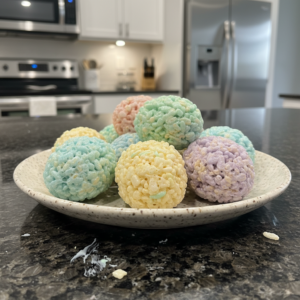
Step into my kitchen and prepare to transform your taste buds! Today, I’m thrilled to share my absolute favorite recipe for homemade Chamoy Sauce. This versatile Mexican condiment, with its irresistible salty, sweet, sour, and spicy profile, is a staple for a reason. Whether you’re a seasoned chef or a home cook eager to explore vibrant flavors, you’ll discover not only how easy it is to make this authentic Mexican sauce but also learn a unique twist that elevates its complexity and depth. Get ready to drizzle, dip, and delight in the magic of homemade chamoy!
Why You’ll Love This Recipe
This isn’t just another Chamoy sauce recipe; it’s a journey into flavor. My secret twist? I briefly toast the dried chiles de árbol in a dry pan before combining them with the other ingredients for simmering. This simple step is a game-changer!
Enhanced Flavor: Toasting the chiles triggers the Maillard reaction, intensifying their natural fruity and smoky notes. This develops a more complex, nuanced, and aromatic flavor profile in the final sauce, providing a richer backbone that beautifully complements the bold sweet, sour, and salty elements.
Easy to Make at Home: You’ll be amazed at how simple it is to whip up this gourmet-quality sauce right in your own kitchen.
Incredibly Versatile: Perfect for drizzling over fresh fruit, rimming a Michelada, or adding a unique kick to snacks and savory dishes.
Gourmet Taste: This recipe adds a unique, gourmet flavor that will elevate any dish or drink you pair it with, setting it apart from store-bought versions.
Ingredients Needed
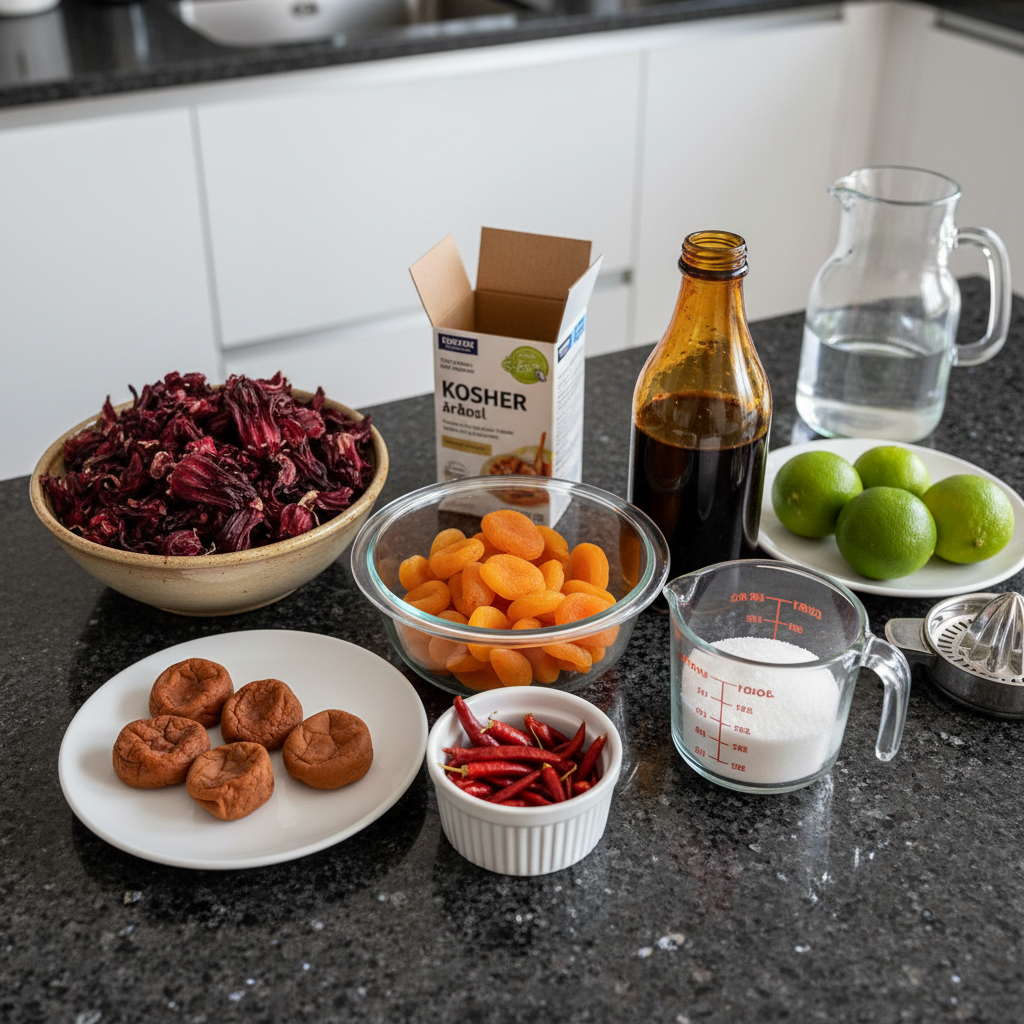
Gather these essential ingredients, and let’s create some magic:
- 1 ounce (30g) dried hibiscus (about 1 cup)
- 3 ounces (85g) dried apricots (about 10 to 15 apricots)
- 4 umeboshi plums (2 ounces; 55g), pitted
- 1/4 cup sugar (2 ounces; 55g), plus more as needed
- 4 dried chiles de árbol, stemmed and seeded
- 1 tablespoon (15ml) tamarind concentrate
- 2 tablespoons (18g) Diamond Crystal kosher salt, plus more as needed (for table salt use half as much by volume or the same weight)
- 3 cups (710ml) water
- 1/2 cup (120ml) fresh lime juice, plus more as needed
Ingredient Notes & Substitutions
Understanding your ingredients is key to making the best homemade chamoy:
- Umeboshi Plums: These Japanese pickled plums are crucial for the distinctive salty, tart, and fruity backbone of an authentic Chamoy sauce. If fresh umeboshi plums are unavailable, you can substitute with umeboshi paste. Look for reputable brands like Eden Foods. As a last resort, if neither is accessible, a careful combination of extra salt and lime juice can mimic some of the tart-salty notes, though the unique fruity depth will be diminished.
- Dried Chiles: The chiles de árbol provide the perfect level of heat and a subtle smokiness. For a milder sauce, you could use guajillo peppers. If you prefer a more intense, fiery kick, consider chile pequin, but use sparingly! Always handle dried chiles with care, and wash your hands thoroughly afterward.
- Tamarind Concentrate: Be aware that tamarind concentrates can vary in intensity and flavor depending on their origin. Mexican tamarind concentrate tends to be sweeter and less acidic, while Thai or Indian varieties might be more tart. Adjust your sugar and lime juice accordingly. If you have tamarind pulp, you can use it, but you’ll need to rehydrate it and strain out the fibers, then adjust the water content in the recipe.
- Salt: I specify Diamond Crystal kosher salt because its coarser grain and milder salinity allow for better control. If using table salt, which is much denser and saltier by volume, use half the amount by volume or the same weight. Salt is not just for seasoning; it helps balance the sweetness and tartness, making the flavors pop.
- Sugar: While white granulated sugar provides clean sweetness, feel free to experiment with alternatives. Brown sugar will lend a richer, molasses-like depth, while piloncillo (Mexican unrefined whole cane sugar) offers a more complex caramel-like flavor that pairs beautifully with the other ingredients.
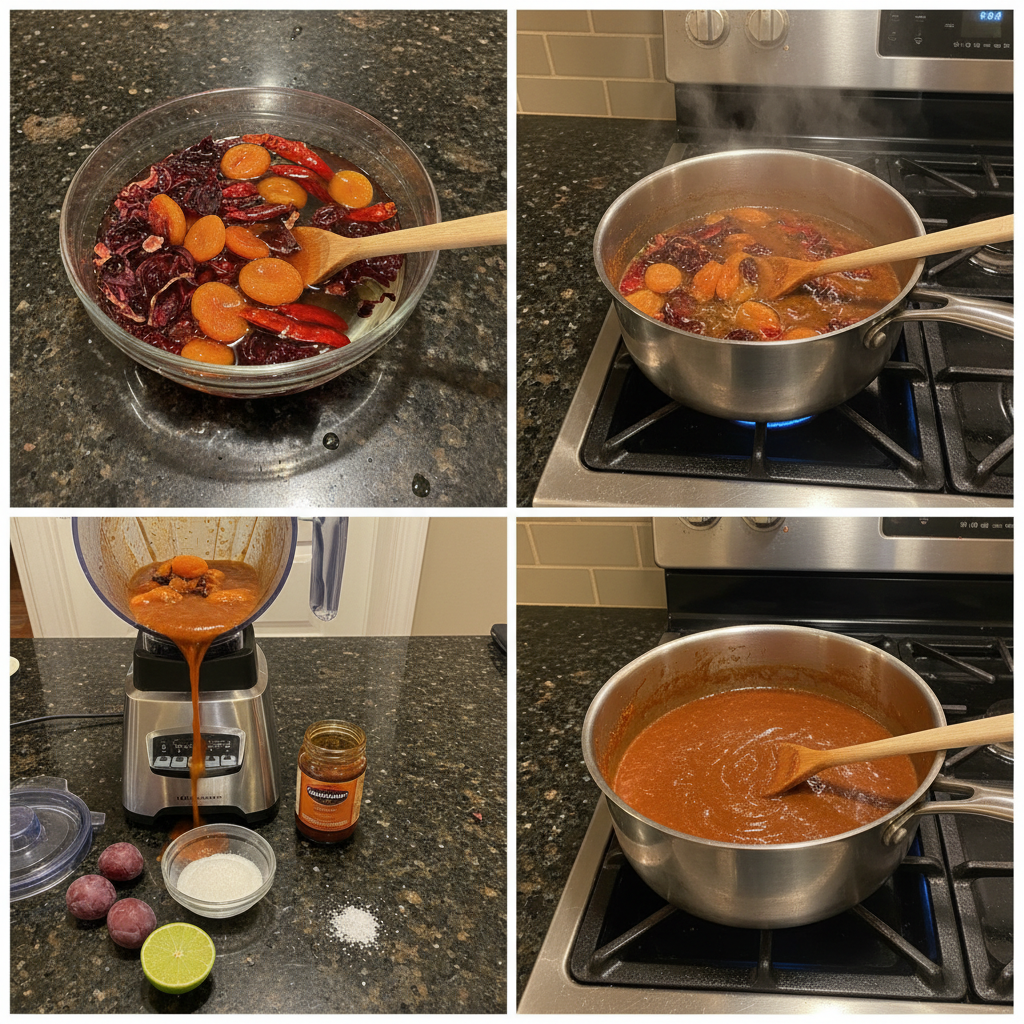
How to Make Chamoy Sauce
Creating this flavorful Mexican sauce is a straightforward process. Follow these steps carefully for the perfect batch:
Step 1: Toast the Chiles
First, let’s prepare our chiles. In a dry saucepan, toast the dried chiles de árbol over medium heat for a few minutes. You’ll notice them becoming fragrant, releasing a beautiful smoky aroma, and slightly darkening in color. Be vigilant during this step, as they can burn quickly, which would impart a bitter flavor to your chamoy. Once fragrant, remove them from the pan.
Step 2: Simmer the Ingredients
In a 3-quart saucepan or saucier, combine the toasted chiles with the dried hibiscus, apricots, umeboshi, sugar, tamarind concentrate, salt, and water. Ensure the water fully covers all the ingredients. Bring the mixture to a simmer over medium-high heat. As it simmers, you’ll observe the vibrant red color of the hibiscus bloom into the liquid. Once simmering, cover the pot, reduce the heat to maintain a gentle simmer, and cook for 15 minutes. Afterward, remove from heat and let it cool slightly.
Step 3: Blend Until Smooth
Carefully transfer the contents of the pot to a blender. Be cautious when blending hot liquids—always start at the lowest speed and gradually increase to high. Add the fresh lime juice. Blend, stopping to scrape down the sides as needed, until a very smooth puree forms. You’re aiming for a velvety consistency with no discernible bits of fruit or chile.
Step 4: Adjust Flavor and Consistency
Now comes the fun part: tasting and adjusting! The sauce should be boldly salty, tart, sweet, and spicy. Blend in more salt, sugar, lime juice, and/or water until you achieve your desired consistency and flavor. Remember that the sauce will thicken slightly as it cools. Once perfected, scrape your homemade Chamoy sauce into an airtight container and refrigerate until ready to use.
Perfecting Your Chamoy Sauce: Flavor and Consistency
Achieving that ideal balance in your Chamoy sauce is an art. Here’s how to fine-tune it:
Adjusting the Flavor Profile:
- For More Sweetness: Add sugar, 1 teaspoon at a time, blending well after each addition until dissolved and tasted. This balances the tartness.
- For More Sourness: Add lime juice, 1 tablespoon at a time. The tamarind also contributes to sourness, but lime offers a brighter, fresh note.
- For More Saltiness: Add kosher salt, 1/4 teaspoon at a time. Salt is crucial for depth and balancing all the other flavors.
- For More Spiciness: If you desire more heat, you can blend in a tiny pinch of cayenne pepper or a small piece of an additional dried chile de árbol, re-blending thoroughly.
Troubleshooting Consistency Issues:
- Too Thin: If your sauce is too runny, you have a couple of options. You can return it to the saucepan and simmer uncovered over low heat, allowing some of the liquid to evaporate and the sauce to reduce and thicken. Stir frequently to prevent sticking. As a last resort, you can whisk 1 teaspoon of cornstarch with 1 tablespoon of cold water to create a slurry, then stir it into the simmering sauce and cook for another minute until thickened.
- Too Thick: If the sauce is too thick, simply add water, 1 tablespoon at a time, blending after each addition until your desired consistency is reached.
- Grainy: A grainy texture usually means the ingredients weren’t blended thoroughly enough. Continue blending on high speed for a longer period, scraping down the sides often. If you find your dried apricots are particularly fibrous, you might consider soaking them in warm water for 15-20 minutes before simmering to help them soften and blend more smoothly.
Pro Tips & Troubleshooting
Pro Tips
- Toasting the Chiles: This seemingly small step is monumental. Toasting the dried chiles de árbol awakens their aromatic oils and deepens their flavor, moving them beyond mere heat to a more complex, smoky note. Just be careful not to burn them; a gentle toast until fragrant is all it takes to avoid bitterness.
- Quality Ingredients: The best homemade chamoy starts with high-quality ingredients. Fresh lime juice, good quality dried hibiscus, and flavorful umeboshi plums make a noticeable difference in the final product.
- Tasting and Adjusting: Chamoy is all about balance. Don’t be afraid to taste the sauce frequently as you adjust the salt, sugar, and lime juice. Your palate is your best guide to achieving the perfect salty-sweet-sour-spicy harmony.
- Blending Thoroughly: For that signature smooth, luxurious texture, ensure all ingredients are blended until completely smooth. A high-speed blender will make this task easier.
- Proper Storage: Always store your finished Chamoy sauce in an airtight container in the refrigerator. This helps maintain its freshness and vibrant flavor for longer.
Common Mistakes to Avoid
- Burning the Chiles: Burnt chiles will impart an acrid, bitter taste to your chamoy that is impossible to correct. Keep a close eye on them during the toasting step.
- Adding Too Much Water: While you can adjust consistency, starting with too much water can dilute the flavors and make the sauce too thin. Aim for a luscious, pourable viscosity.
- Not Adjusting Seasoning: Rushing through the tasting and adjusting phase can lead to a flat or unbalanced sauce. Take your time to fine-tune the salt, sweet, sour, and spicy elements.
- Skipping the Umeboshi: Umeboshi plums are truly critical for the authentic salty, tart, and uniquely fruity flavor profile of this particular Chamoy sauce recipe. If you absolutely cannot find them, refer to the Ingredient Notes & Substitutions section for alternatives, but be aware the flavor will differ.
Serving & Storage
Serving Ideas
The beauty of Chamoy sauce lies in its incredible versatility. Here are some of my favorite ways to enjoy it:
- Classic Fruit Pairings: Drizzle generously over slices of fresh mango, pineapple, guava, watermelon, oranges, or jicama, or over easy homemade ice pops for a truly refreshing and invigorating snack, or mix into a creamy Mexican fruit salad.
- Drinks: It’s a must-have for rimming glasses for Micheladas, or blending into sweet and tangy chamoyadas and mangonadas.
- Other Culinary Applications: Get creative! Brush it onto grilled corn (elotes), use it as a tangy condiment for tacos, or even incorporate it into a unique marinade for grilled chicken or pork.
- Garnishing: A sprinkle of Tajín and a fresh lime wedge always take the experience to the next level.
Storage and Make-Ahead
- Refrigeration: Store your homemade Chamoy sauce in an airtight container in the refrigerator for up to 3 weeks. Its flavors will continue to meld and deepen over the first day or two.
- Freezing: For longer storage, chamoy freezes beautifully. Pour it into ice cube trays for convenient single-serving portions, or transfer to freezer-safe bags, leaving a little headspace. It can be stored in the freezer for up to 3 months. Thaw in the refrigerator overnight before using. Note that freezing may slightly alter the texture, making it a little thicker or requiring a quick whisk to regain its original consistency.
- Make-Ahead: This sauce is an excellent make-ahead component for any gathering or meal prep. You can easily prepare it a day or two in advance.
Conclusion
Crafting your own homemade chamoy is a rewarding experience that unlocks a world of vibrant flavors. Our unique method of toasting the chiles de árbol truly makes a difference, infusing a deeper, more aromatic complexity that elevates this traditional Mexican sauce. I encourage you, whether you’re new to Mexican cuisine or a seasoned enthusiast, to try this recipe. It’s surprisingly simple to make, highly customizable, and infinitely more delicious than anything you’ll buy pre-made.
Experiment with different serving suggestions, tweak the spice to your liking, and most importantly, enjoy the bold, irresistible taste of your own creation. Share this recipe with friends and family, and be sure to explore more authentic Mexican recipes right here on my site!
FAQ
- What is Chamoy sauce and what are its key flavor profiles?
- Chamoy sauce is a popular Mexican condiment known for its distinctive salty-sweet-sour-spicy flavor profile. It’s traditionally made from pickled fruit (often apricots or plums), chiles, and lime, creating a complex taste that’s incredibly addictive. Its roots can be traced back to Asian pickled fruit preparations.
- What are the best types of tamarind concentrate and umeboshi to use for chamoy?
- For tamarind, Mexican concentrate tends to be sweeter, while Thai or Indian varieties can be more tart. Any will work, but be prepared to adjust sugar and lime juice accordingly. For umeboshi, pitted plums are ideal for flavor and texture. If unavailable, umeboshi paste (like Eden Foods) is a great substitute. Refer to the “Ingredient Notes & Substitutions” section for more details.
- How long can homemade chamoy sauce be stored, and can it be frozen?
- Your homemade Chamoy sauce can be stored in an airtight container in the refrigerator for up to 3 weeks. Yes, it can be frozen for longer storage, up to 3 months, in ice cube trays or freezer-safe bags. Thaw in the refrigerator before use. More detailed instructions can be found in the “Storage and Make-Ahead” section.
- How do I adjust the sweetness, sourness, saltiness, or spice level of my chamoy?
- You can easily fine-tune your chamoy. Add sugar for sweetness (1 tsp at a time), lime juice for sourness (1 tbsp at a time), kosher salt for saltiness (1/4 tsp at a time), and a pinch of cayenne or a small piece of chile for more spice. Blend well after each addition and taste. See the “Perfecting Your Chamoy Sauce: Flavor and Consistency” section for specific guidance.
- What are some popular and creative ways to serve chamoy sauce?
- Chamoy sauce is incredibly versatile! It’s fantastic drizzled over fresh fruit like mango, pineapple, and watermelon. It’s also a star in drinks like Micheladas, chamoyadas, and mangonadas. Get creative and use it on grilled corn, tacos, or even as a marinade. Check out the “Serving Ideas” section for more inspiration!
- Is this homemade chamoy recipe suitable for vegan and gluten-free diets?
- Yes, this homemade chamoy recipe is naturally vegan and gluten-free, as all its ingredients are plant-based and contain no gluten. Always double-check ingredient labels for any specific dietary concerns, especially if purchasing pre-made tamarind concentrate or other processed items.
- Can I use umeboshi paste?
- Yes, you can use umeboshi paste as a substitute for the plums. Approximately 1 to 1.5 teaspoons of umeboshi paste can replace one plum, depending on its intensity. Brands like Eden Foods offer excellent umeboshi paste options. Adjust to your taste and desired saltiness/tartness. Please refer to the “Ingredient Notes & Substitutions” section for more details.
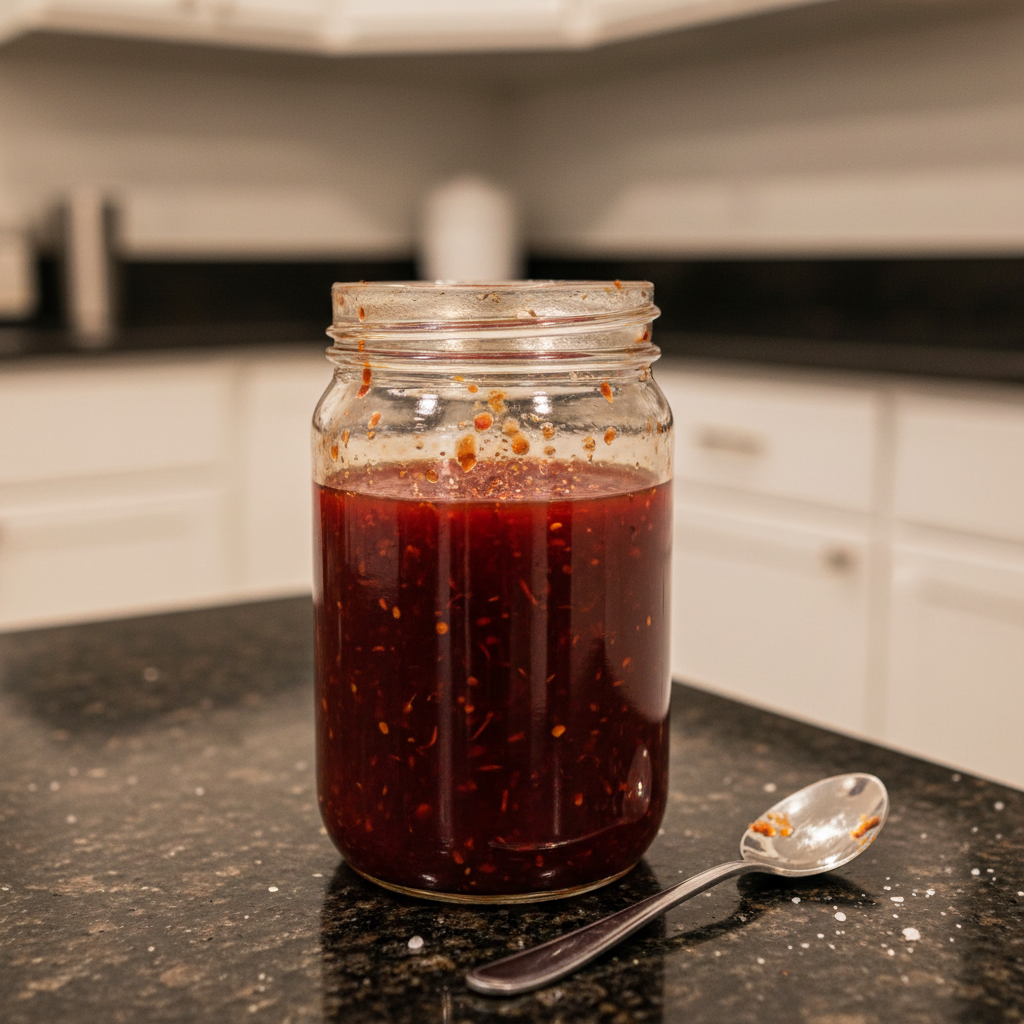
Best Homemade Chamoy Sauce Recipe - Sweet, Sour, Spicy!
Ingredients
Equipment
Method
- In a dry saucepan, toast the dried chiles de árbol over medium heat for a few minutes until fragrant and slightly darkened. Remove from the pan to avoid burning.
- In a 3-quart saucepan or saucier, combine the toasted chiles with the dried hibiscus, apricots, umeboshi, sugar, tamarind concentrate, salt, and water. Ensure the water fully covers all the ingredients.
- Bring the mixture to a simmer over medium-high heat, then cover, reduce the heat to maintain a gentle simmer, and cook for 15 minutes. Afterward, remove from heat and let it cool slightly.
- Carefully transfer the contents of the pot to a blender. Be cautious when blending hot liquids—always start at the lowest speed and gradually increase to high. Add the fresh lime juice.
- Blend, stopping to scrape down the sides as needed, until a very smooth puree forms.
- Taste and adjust the flavor. Blend in more salt, sugar, lime juice, and/or water until you achieve your desired consistency and flavor.
- Scrape your homemade Chamoy sauce into an airtight container and refrigerate until ready to use.