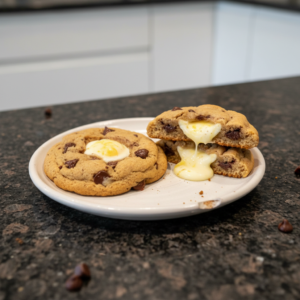
Springtime treats are always a delight, and nothing quite captures the joy and indulgence like a perfectly baked cookie. Today, I am so excited to share my absolute favorite recipe for creme egg stuffed chocolate chip cookies. This guide will walk you through creating an irresistible dessert that combines the nostalgic comfort of a classic chocolate chip cookie with the surprising, gooey center of a Cadbury Creme Egg. Get ready to bake a batch of cookies that are truly out of this world, promising a comprehensive and easy-to-follow experience for every home cook.
Why You’ll Love This Recipe
My recipe for creme egg stuffed chocolate chip cookies stands out because of a couple of game-changing twists that guarantee incredible results every time.
First, we embrace the magic of browned butter, also known as beurre noisette. Browning the unsalted butter develops incredibly rich, toasted, and nutty notes. This sophisticated flavor provides a wonderful counterpoint to the intense sweetness of the Cadbury Creme Egg’s fondant center, adding a depth of flavor you simply won’t get from regular melted butter.
Second, a strategic addition of just 1 teaspoon of cornstarch makes all the difference. Scientifically, cornstarch works to soften the proteins in the all-purpose flour, creating a truly melt-in-your-mouth tender texture. Crucially, it also adds structural grip to the dough. This helps significantly in preventing the gooey fondant egg from leaking out during the Maillard browning process in the oven.
These unique touches mean you will consistently achieve an ultra-gooey center, perfectly soft-batch cookies that are wonderfully chewy, and an impressive dessert that is surprisingly easy to make for family and friends alike.
Ingredients Needed
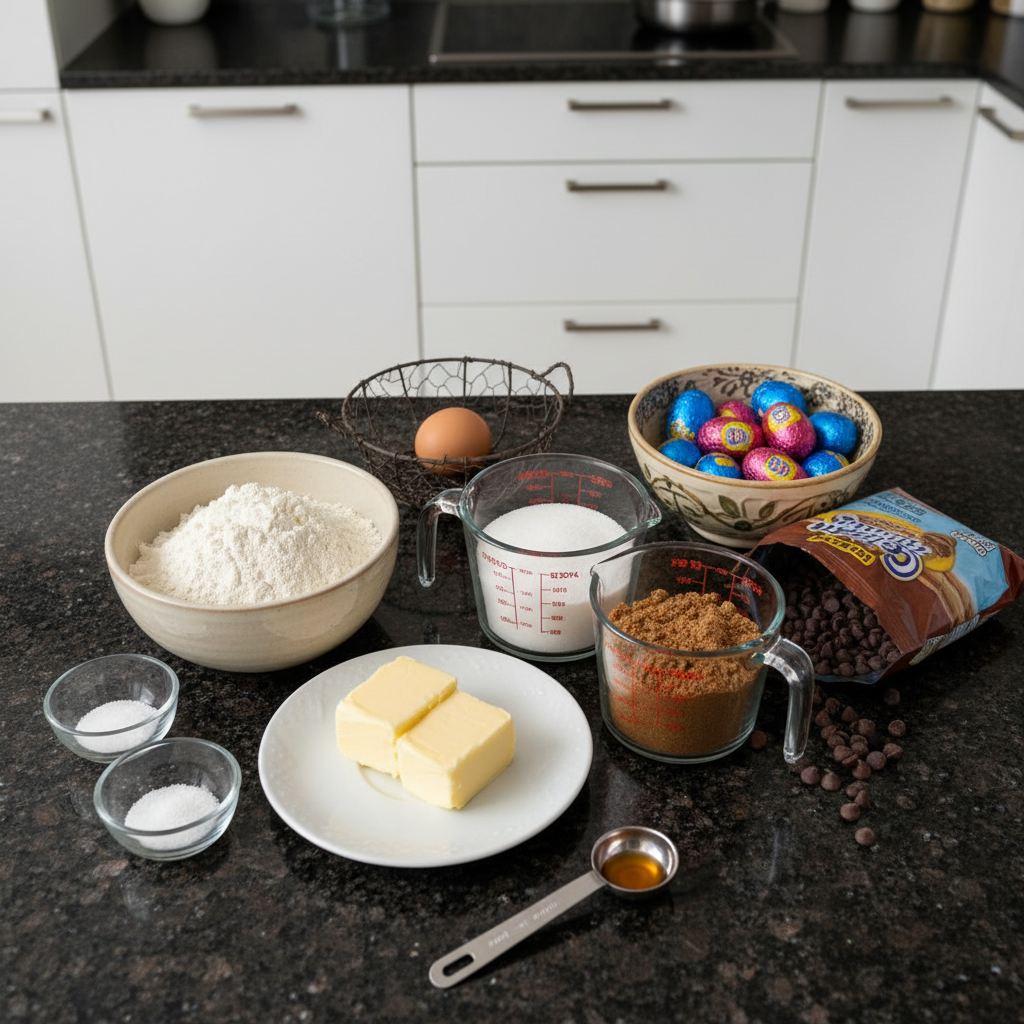
- 1 1/4 cup all purpose flour
- 1/2 teaspoon baking soda
- 1/2 teaspoon salt
- 1/2 cup (4 ounces or 8 tablespoons) unsalted butter, softened
- 1/3 cup granulated sugar
- 1/3 cup packed brown sugar
- 1 large egg, room temperature
- 1 teaspoon vanilla extract
- 1 cup semisweet chocolate chips
- 18 mini creme eggs or solid chocolate mini eggs
Ingredient Notes & Substitutions
Unsalted Butter: I always recommend using unsalted butter in baking to control the overall saltiness of your recipe. Our unique twist involves browning this butter, which adds an incredible depth of nutty flavor. When creaming, ensure your butter is softened, not melted, for the proper emulsification that creates a light and fluffy dough.
Cadbury Mini Creme Eggs: These delightful candies are usually seasonal, making their appearance around Easter, especially here in the US. It is worth noting that the fondant consistency in US Cadbury Mini Creme Eggs can be slightly firmer than their UK counterparts. If Cadbury eggs are not in season, or if you simply want to try something different, consider using solid chocolate mini eggs, caramel-filled mini eggs, mini peanut butter cups, or even Rolos as a delicious alternative filling.
All-Purpose Flour & Cornstarch: All-purpose flour forms the structural base of our cookies. The added cornstarch, part of our unique twist, plays a crucial role. It contributes to that desirable soft, tender crumb and provides extra insurance against the creme egg filling leaking out during baking.
Brown Sugar: The packed brown sugar is essential for achieving the soft-batch, chewy texture we are aiming for. Its molasses content adds moisture and helps keep the cookies tender.
Large Egg: Always use a room temperature egg. This helps it emulsify more smoothly with the butter and sugar during the creaming method, leading to a more uniform and tender cookie dough.
Semisweet chocolate chips: I find that semisweet chocolate chips strike the perfect balance, complementing the sweetness of the fondant without making the cookies overly rich. You can use any type of chocolate chips you prefer, of course.
Gluten-Free Swap: If you need a gluten-free option for this specific stuffed recipe, you can generally substitute a 1:1 gluten-free baking flour blend for the all-purpose flour. Just be aware that the texture may vary slightly from the original recipe.
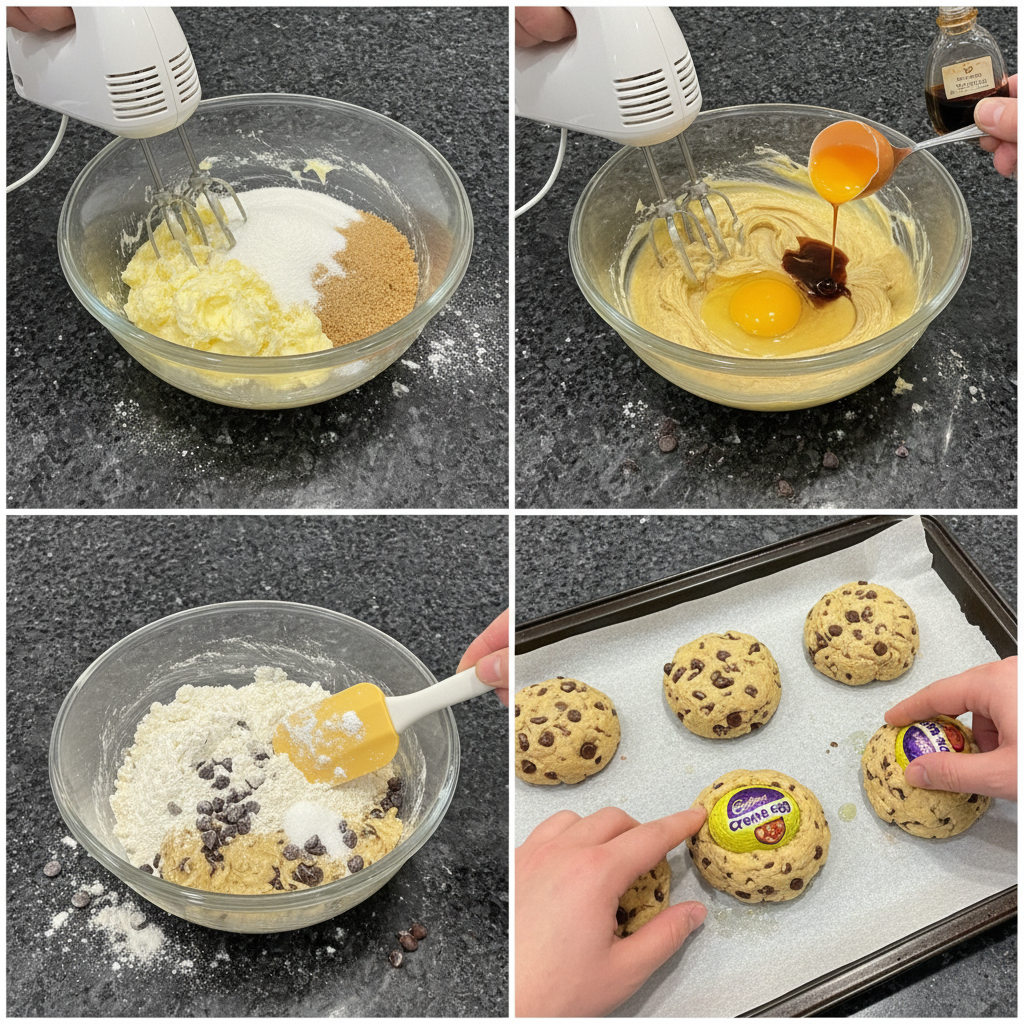
How to Make creme egg stuffed chocolate chip cookies
Prepare Dry Ingredients
In a large bowl, whisk together the all-purpose flour, baking soda, and salt. Make sure to whisk until there are no visible lumps, ensuring all ingredients are evenly distributed for consistent baking.
Brown the Butter and Combine Wet Ingredients
First, brown your unsalted butter. Melt the butter in a light-colored saucepan over medium heat. Continue cooking, swirling occasionally, until the butter turns an amber color and develops a wonderfully nutty aroma, with little brown bits at the bottom. Immediately pour it into a heat-safe bowl to stop the cooking, and let it cool slightly to room temperature.
Once cooled, in another large bowl on medium-low speed (using a paddle attachment if you have a stand mixer), beat together the browned butter, granulated sugar, and packed brown sugar until the mixture is smooth, creamy, and appears light and fluffy, which usually takes about 1-2 minutes. This creaming method is key for developing cookie texture.
Add Egg and Vanilla
Next, beat in the room temperature large egg and vanilla extract until the mixture is smooth and fully incorporated.
Combine and Add Chocolate Chips
Turn your mixer speed down to low and gradually beat in the dry flour mixture. Mix until just combined, being careful to avoid overmixing the flour, which can lead to tough cookies. Once the flour is mostly incorporated, fold in the semisweet chocolate chips.
Stuff the Mini Eggs
Using a #40 cookie scoop or by hand, measure out about 1 1/2 tablespoons of dough for each cookie. Flatten this portion of dough into a disc. Place one mini creme egg in the center, then carefully wrap the dough completely around the egg, ensuring it is sealed all the way around so no egg is exposed. This proper sealing is crucial to prevent blowouts and leaking. If your dough becomes too warm and sticky while you are working, chill the dough for 15 minutes, then try again.
Chill Dough Balls and Freezing Option
Repeat the stuffing process with the remaining eggs. Once all your cookie dough balls are stuffed, refrigerate them for at least 1 hour or until they are firm. This chilling step is incredibly important for preventing excessive spread during baking.
At this point, if you don’t want to bake all of the cookies at once, you can make them ahead. Transfer the now-firm cookie dough balls to a freezer-proof bag and freeze them for up to 3 months. You can bake them directly from frozen, adding a minute or two to the bake time.
Prepare for Baking
Preheat your oven to 350F (175C). Have 2 ungreased cookie sheets ready, or for best results and easy cleanup, line them with parchment paper. Parchment paper also helps with even baking.
Bake and Cool
Place the chilled cookie dough balls a few inches apart on your prepared baking sheets. Bake for 10-12 minutes, or until the edges are lightly golden brown and firm, and the centers still look slightly soft. The Maillard reaction will give them that beautiful golden hue. Cool the cookies for 5 minutes on the baking tray before carefully transferring them to a wire rack to cool completely. This carry-over cooking on the baking sheet helps the stuffed center set without overbaking the edges. Serve warm for the ultimate gooey experience or cool completely.
Mastering the Gooey Center & Preventing Leaks
Achieving that perfectly molten, gooey creme egg center is the highlight of these cookies, but it requires a bit of attention to detail to prevent any leaks or blowouts.
Understanding the Fondant Filling: The unique fondant filling inside Cadbury Creme Eggs is designed to soften and become delightfully gooey when heated. Our goal is to heat it just enough to reach this molten state without causing it to burst through the cookie dough.
Achieving the Perfect Gooey Center
Visual Cues: When your cookies are in the oven, keep an eye on them. The edges should appear set and turn a light golden color, while the centers should still look very slightly puffy and perhaps a tiny bit underdone. This indicates that the dough is cooked but the fondant inside is still wonderfully molten. Once removed from the oven, the cookies will continue to cook slightly from residual heat, ensuring that gooey center sets just right.
Internal Temperature Guide: For those who like precision, the dough around the egg should aim for an internal temperature of about 190-200°F (88-93°C). However, do not probe the egg itself. Primarily, trust your visual cues; they are typically sufficient for home bakers to gauge doneness.
Preventing Leaks and Blowouts
How to Properly Seal Stuffed Cookies: The most critical step is ensuring the dough completely encases the Cadbury Mini Creme Egg. Flatten your dough disc generously, place the egg in the center, and meticulously bring the edges of the dough up and around the egg, pinching and smoothing all seams until no part of the egg is visible. Think of it like wrapping a present – you want a tight, secure seal all around.
The Importance of Chilling Dough: Baking with warm dough is a primary cause of excessive spreading and can lead to the fondant egg leaking out. Chilling the dough thoroughly (for at least 1 hour) firms up the butter in the dough, which prevents the cookies from spreading too quickly in the oven. This gives the dough structure and allows the egg to heat more gradually, reducing the chance of blowouts.
Preventing Spread and Blowouts: Beyond chilling and proper sealing, make sure your oven temperature is accurate. An oven that is too hot can cause the dough to set too quickly on the outside while the inside bursts, and an oven that is too cool can lead to excessive spreading before the dough structure is established.
Pro Tips & Troubleshooting
Pro Tips for Perfect Creme Egg Cookies
Room Temperature Egg: Always use a room temperature egg. This is not a trivial detail; it is crucial for a smooth emulsification during the creaming method, leading to a more homogenous and tender cookie dough.
The Browned Butter Advantage: Don’t skip browning the butter! This unique twist elevates the flavor profile immensely. To achieve perfect browning, use a light-colored pan so you can easily see the color change, and remove it from the heat as soon as it reaches an amber hue to prevent burning.
Cornstarch for Texture & Structure: Remember that small addition of cornstarch. It is your secret weapon for ensuring a truly soft-batch cookie and providing that extra structural support to help prevent the creme egg from leaking.
Consistent Scoop Size: For uniformly sized cookies that bake evenly, I highly recommend using a #40 cookie scoop. This ensures each cookie has the same amount of dough and will cook consistently across the batch.
Thorough Dough Chilling: This is paramount. The importance of chilling dough cannot be overstated. It firms up the fats, prevents excessive spreading, and is a key factor in minimizing any potential leaking from the creme egg center.
Carry-Over Cooking: Once out of the oven, let cookies rest on the hot tray for at least 5 minutes. This carry-over cooking is vital for allowing the stuffed center to set properly without overbaking the edges of the cookie.
Pinch of Salt: For an extra touch, a tiny pinch of flaky sea salt sprinkled on top of the warm cookies can beautifully cut through the sweetness of the fondant, enhancing all the flavors.
Common Mistakes to Avoid
Baking with Warm Dough: Never bake with warm, unchilled dough. This is a common mistake that causes excessive spreading of the cookies and significantly increases the risk of the creme egg center leaking out. Always chill your dough for the recommended time.
Incomplete Sealing: If the dough is not completely sealed around the egg, you will likely experience blowouts where the fondant escapes during baking. A well-sealed dough ball will be smooth and show no visible cracks or gaps around the egg.
Overmixing the Flour: Once you add the flour, mix only until just combined. Overmixing the flour develops too much gluten, which creates a tough, bread-like texture rather than a tender crumb.
Forgetting Parchment Paper: While not always strictly necessary, forgetting parchment paper can lead to cookies sticking to the baking sheet and makes cleanup much more difficult. It also promotes more even baking.
Ignoring Room Temperature Egg: Using a cold egg can result in a lumpy batter that doesn’t emulsify properly, affecting the final texture of your cookies.
Serving & Storage
Serving Ideas
Warm for Gooeyness: To maximize the incredible liquid fondant effect of the creme egg, I highly recommend serving these cookies warm. A quick reheat can bring back that molten center beautifully.
Perfect Pairings: The richness and sweetness of these cookies pair wonderfully with a cold glass of milk. The milk helps to balance the high sugar content of the egg center.
Garnish: For an added touch of gourmet, consider garnishing with a tiny pinch of flaky sea salt on top of the warm cookies. It beautifully cuts through the sweetness.
Variations: While Cadbury Mini Creme Eggs are fantastic, don’t hesitate to experiment! Caramel-filled mini eggs or solid chocolate mini eggs can offer delightful new experiences in this recipe.
Storage and Make-Ahead
Storing Baked Cookies: Store baked creme egg stuffed chocolate chip cookies in an airtight container at room temperature for 2-3 days. I advise against immediate refrigeration as it can harden the fondant filling and alter the cookie’s tender texture. If you do refrigerate them, allow them to come to room temperature before eating, or gently reheat them to soften the fondant again.
Preventing Hardness: To prevent your soft-batch cookies from becoming rock hard the next day, proper airtight storage is key. Avoid leaving them exposed to air. Gentle reheating will also help restore their tender texture and gooey center.
Make-Ahead Dough: You can certainly make the dough in advance! After stuffing, refrigerate the dough balls for 1 hour or until firm, as instructed in the recipe. They can be stored in the refrigerator for up to 24 hours before baking.
Freezing Dough Balls: For longer storage, freeze the stuffed cookie dough balls on a baking sheet until firm, then transfer them to a freezer-proof bag. They will keep for up to 3 months. When ready to bake, you can bake them directly from frozen, adding a couple of extra minutes to the baking time.
Reheating Baked Cookies: To get that perfectly gooey center back in a cooled cookie, you have a couple of options. Pop a cookie into the microwave for 10-15 seconds, or place it in a low-temperature oven (around 250F or 120C) for a few minutes until the center is soft and warm again. This reheating for maximum gooeyness brings them back to life.
Conclusion
And there you have it, my definitive guide to crafting the most irresistible creme egg stuffed chocolate chip cookies. With our unique browned butter and cornstarch twist, you are guaranteed exceptionally gooey centers and perfectly tender, soft-batch cookies every single time. My detailed instructions and expert tips are here to guide you to success, making this a truly rewarding baking project. I encourage you to try this recipe, perhaps experiment with solid chocolate mini eggs or other fillings for fun variations, and savor the delightful results. Share your beautiful creations with me on social media, or leave a review to let me know how much you loved them!
FAQ
How do I stop the eggs from leaking while baking?
The key is proper technique! Ensure the dough is completely and tightly sealed around each mini egg, with no egg showing. Also, chilling the dough thoroughly for at least one hour before baking is crucial, as baking with warm dough greatly increases the risk of leaks and excessive spreading.
Can I freeze the stuffed cookie dough balls?
Absolutely! Once the dough balls are stuffed and firm from chilling, transfer them to a freezer-safe bag or container. They can be frozen for up to 3 months. You can bake them directly from frozen; just add 1-2 minutes to the baking time.
What is the best way to reheat these for a gooey center?
To restore that delicious gooey center, reheat baked cookies in the microwave for 10-15 seconds, or place them in a preheated oven at 250F (120C) for 3-5 minutes. This reheating for maximum gooeyness works wonders.
Can I use regular chocolate chips instead of mini eggs?
While this recipe is specifically designed for stuffed cookies with a gooey center, you can certainly add regular chocolate chips to the dough alongside the mini eggs for extra chocolatey goodness. If you prefer a non-stuffed cookie, you would need to adjust the recipe significantly to account for the lack of a large center filling.
How long do these stay fresh?
Baked cookies will stay fresh in an airtight container at room temperature for 2-3 days. For best results with the fondant, avoid refrigerating immediately after baking.
Why did my creme eggs melt and leak out of the dough?
Common reasons include using warm dough that was not adequately chilled, an incomplete seal around the egg allowing the fondant to escape, or baking at too high a temperature or for too long, which can cause the egg to overheat and burst.
Can I use full-sized Cadbury Creme Eggs for giant cookies?
I would advise against using full-sized Cadbury Creme Eggs for this recipe. Their larger size makes them prone to leaking and can compromise the structural integrity of a standard-sized cookie. Mini eggs are ideal for portion control and ensuring the cookie bakes correctly around the filling.
Are Cadbury mini eggs available year-round?
In the US, Cadbury Mini Creme Eggs are typically seasonal, appearing mostly around Easter time. For off-season baking, you can use alternatives like solid chocolate mini eggs, caramel-filled mini eggs, or other small, sturdy candies.
Is there a gluten-free swap for this specific stuffed recipe?
Yes, you can substitute a 1:1 gluten-free baking flour blend for the all-purpose flour. Be aware that the texture might vary slightly, but it should still yield delicious results.
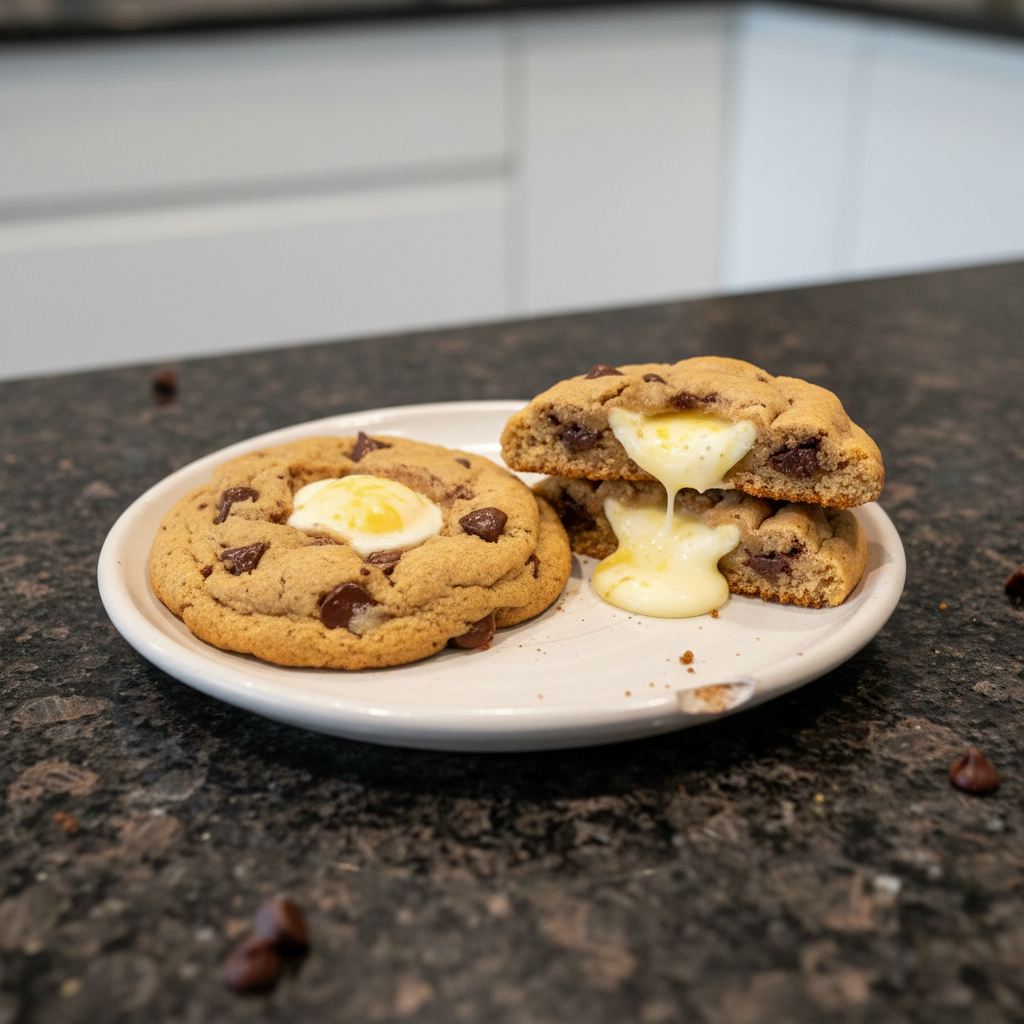
Best Creme Egg Stuffed Chocolate Chip Cookies (Browned Butter!)
Ingredients
Equipment
Method
- In a large bowl, whisk together the all-purpose flour, cornstarch, baking soda, and salt. Make sure to whisk until there are no visible lumps, ensuring all ingredients are evenly distributed for consistent baking.
- First, brown your unsalted butter. Melt the butter in a light-colored saucepan over medium heat. Continue cooking, swirling occasionally, until the butter turns an amber color and develops a wonderfully nutty aroma, with little brown bits at the bottom. Immediately pour it into a heat-safe bowl to stop the cooking, and let it cool slightly to room temperature.
- Once cooled, in another large bowl on medium-low speed (using a paddle attachment if you have a stand mixer), beat together the browned butter, granulated sugar, and packed brown sugar until the mixture is smooth, creamy, and appears light and fluffy, which usually takes about 1-2 minutes. This creaming method is key for developing cookie texture.
- Next, beat in the room temperature large egg and vanilla extract until the mixture is smooth and fully incorporated.
- Turn your mixer speed down to low and gradually beat in the dry flour mixture. Mix until just combined, being careful to avoid overmixing the flour, which can lead to tough cookies. Once the flour is mostly incorporated, fold in the semisweet chocolate chips.
- Using a #40 cookie scoop or by hand, measure out about 1 1/2 tablespoons of dough for each cookie. Flatten this portion of dough into a disc. Place one mini creme egg in the center, then carefully wrap the dough completely around the egg, ensuring it is sealed all the way around so no egg is exposed. This proper sealing is crucial to prevent blowouts and leaking. If your dough becomes too warm and sticky while you are working, chill the dough for 15 minutes, then try again.
- Repeat the stuffing process with the remaining eggs. Once all your cookie dough balls are stuffed, refrigerate them for at least 1 hour or until they are firm. This chilling step is incredibly important for preventing excessive spread during baking.
- At this point, if you don't want to bake all of the cookies at once, you can make them ahead. Transfer the now-firm cookie dough balls to a freezer-proof bag and freeze them for up to 3 months. You can bake them directly from frozen, adding a minute or two to the bake time.
- Preheat your oven to 350F (175C). Have 2 ungreased cookie sheets ready, or for best results and easy cleanup, line them with parchment paper. Parchment paper also helps with even baking.
- Place the chilled cookie dough balls a few inches apart on your prepared baking sheets. Bake for 10-12 minutes, or until the edges are lightly golden brown and firm, and the centers still look slightly soft. The Maillard reaction will give them that beautiful golden hue.
- Cool the cookies for 5 minutes on the baking tray before carefully transferring them to a wire rack to cool completely. This carry-over cooking on the baking sheet helps the stuffed center set without overbaking the edges. Serve warm for the ultimate gooey experience or cool completely.