There’s nothing quite like the refreshing tang and gentle fizz of homemade water kefir. As a professional chef and someone deeply passionate about fermenting, I can tell you that bringing this vibrant, gut-boosting drink into your kitchen is incredibly rewarding and surprisingly simple. This comprehensive guide will walk you through my foolproof Water Kefir Recipe, ensuring you achieve delicious, fizzy results every time. Whether you’re a seasoned fermenter or a curious beginner, get ready to unlock the magic of probiotics right from your countertop!
Why You’ll Love This Recipe
In my kitchen, I’m always looking for ways to enhance natural processes, and this water kefir recipe includes a special trick that sets it apart. You’re going to love it for several key reasons:
- Enhanced Fermentation: My unique twist involves adding a touch of blackstrap molasses or food-grade trace minerals during the initial sugar dissolution. This isn’t just a random addition; it’s a game-changer.
- Richer Nutrient Profile for Grains: Water kefir grains, like any living culture, thrive on a balanced diet. While sugar provides energy, minerals are crucial for their enzymatic activity and robust reproduction. Refined sugars and overly filtered water often lack these essential micronutrients.
- Superior Fizz and Flavor: By providing these extra minerals, the SCOBY (Symbiotic Culture of Bacteria and Yeast) in your water kefir grains becomes more vibrant and active. This leads to a more consistent, vigorous fermentation, yielding significantly improved fizziness and a more complex, satisfying flavor in your final fermented drink.
- Healthier, More Resilient Grains: You’ll notice your water kefir grains are happier, growing more robustly, and bouncing back quicker between batches. This means more reliable homemade kefir for you!
- Easy and Accessible: Despite the professional results, this is an incredibly easy dairy-free probiotic to make at home, requiring minimal hands-on time and basic kitchen equipment.
Ingredients Needed
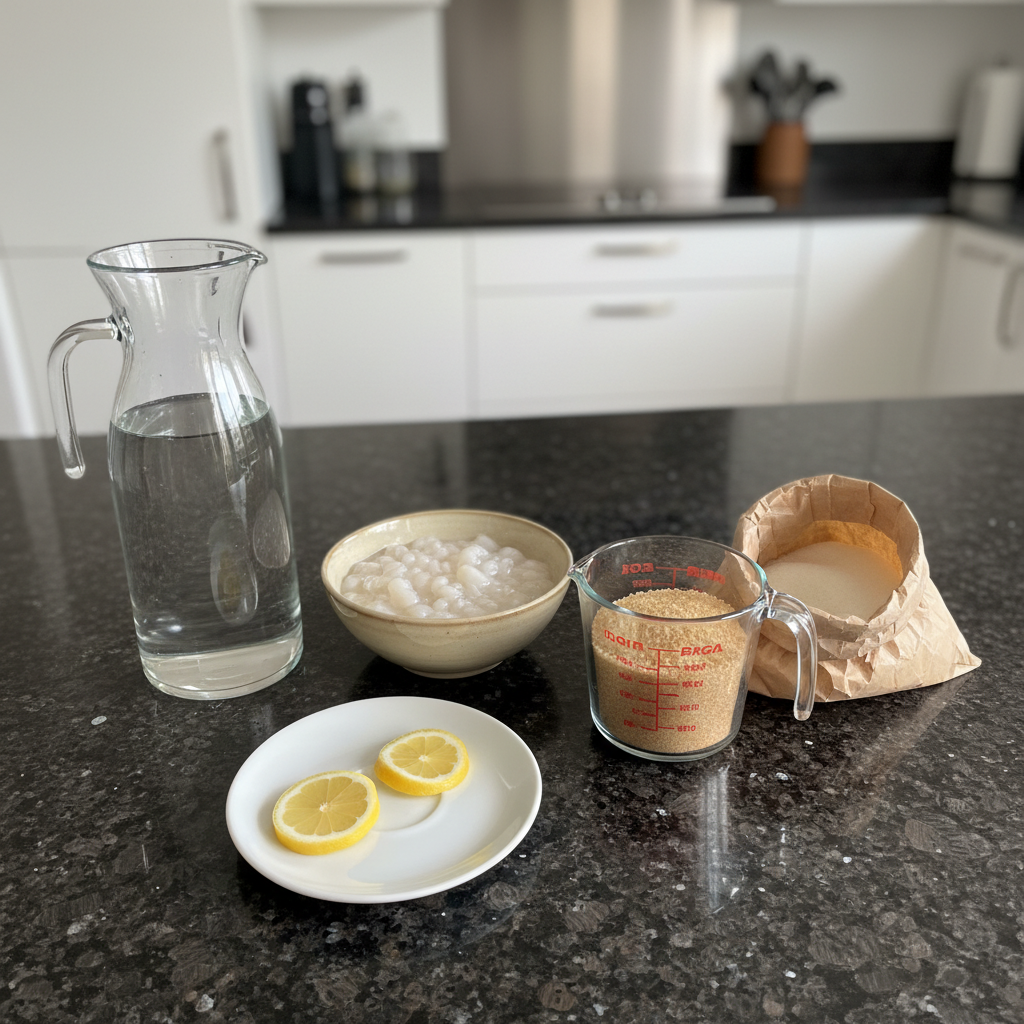
Here’s exactly what you’ll need to create your own refreshing water kefir:
- 1 liter (1 quart) filtered water
- ¼ cup whole or refined cane sugar
- 120-150 ml (4-5 tablespoons) water kefir grains
- Flavorings (optional, see below)
- 1 teaspoon blackstrap molasses OR a few drops of food-grade trace minerals (our unique twist!)
Ingredient Notes & Substitutions
Choosing the right ingredients is key to successful fermentation and healthy water kefir grains:
- Water: Always use filtered water. Chlorine and fluoride found in tap water can harm or even kill your delicate SCOBY, inhibiting proper fermentation. Avoid distilled water as it lacks minerals vital for the grains.
- Sugar: Cane sugar, whether whole or refined, is the preferred fuel for water kefir grains. I often use organic sugar. While other sugars like coconut sugar or brown sugar can be used, they might alter the flavor and can sometimes be too rich for the grains if used exclusively, potentially making them sluggish over time. Stick to cane sugar for consistency, though experimenting is part of the fun!
- Water Kefir Grains: These are a living SCOBY, a symbiotic culture of bacteria and yeast, that resemble small, translucent, gelatinous crystals. You can source them online from reputable suppliers, at health food stores, or often from fellow fermenters.
- Molasses/Trace Minerals: This is our secret to robust fermentation! Blackstrap molasses is packed with minerals like iron, magnesium, and calcium. Food-grade trace minerals drops serve the same purpose. These provide essential nutrients that refined sugar and even filtered water might lack, ensuring your grains are vibrant and healthy.
- Dairy-free / Gluten-free: Yes, this refreshing drink is naturally both dairy-free kefir and gluten-free, making it an excellent non-dairy probiotic alternative for almost everyone.
How to Make Water Kefir
Making water kefir is a straightforward process, broken down into a few simple steps. Let’s get brewing!
Step 1: Dissolving the Sugar and Boosting Minerals
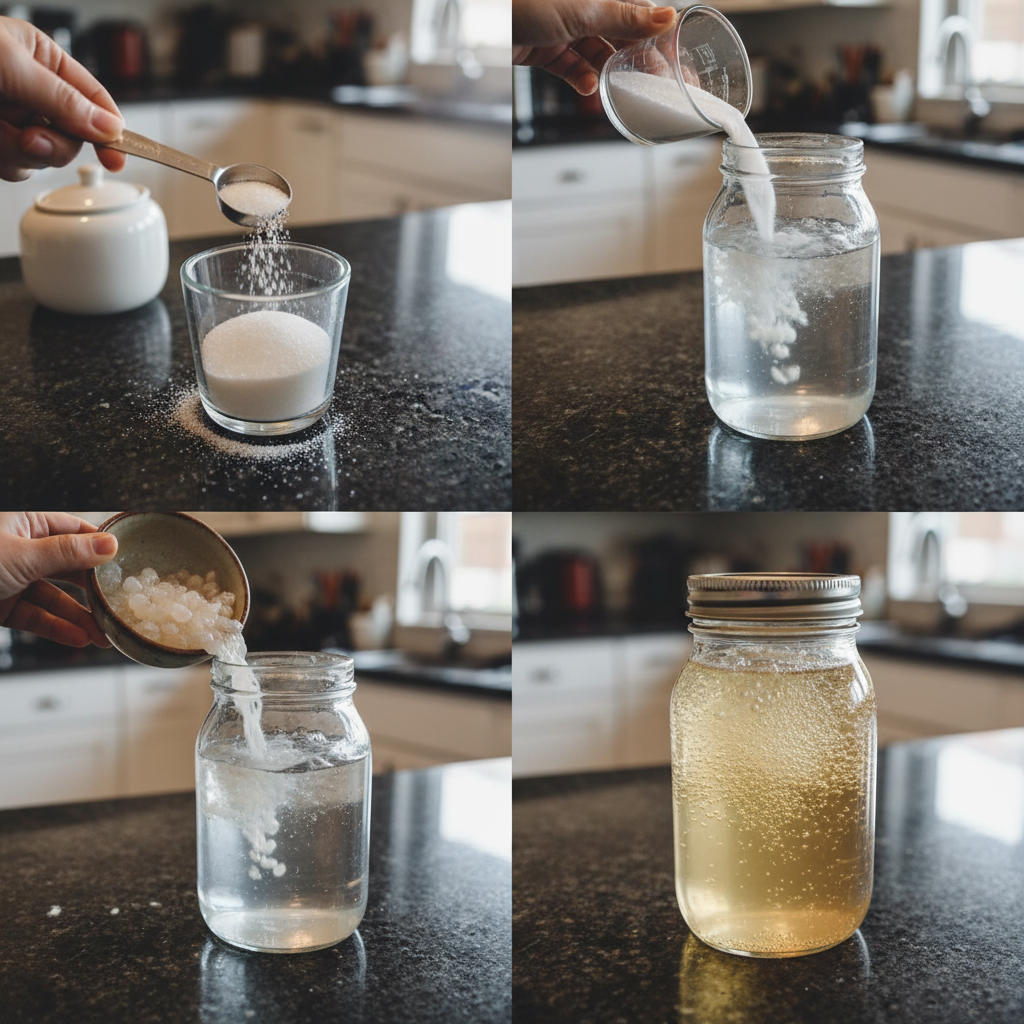
In a clean 1-liter (1-quart) jar, add your cane sugar and filtered water. Screw the lid on tightly and shake vigorously to dissolve the sugar completely. At this point, add your secret ingredient: 1 teaspoon of blackstrap molasses or a few drops of food-grade trace minerals. This is the unique twist that will truly nourish your water kefir grains and supercharge your fermentation!
Step 2: Adding the Kefir Grains and Optional Flavorings
Once the sugar is dissolved and minerals are incorporated, add your water kefir grains to the jar. If you wish to add flavorings for primary fermentation, now is the time. A piece of fruit like a wedge of apple, a whole dried fig, or some thick chunks of banana can add subtle flavor and also provide extra nutrients to your grains. Just ensure any dried fruit is un-sulphured fruit. Some prefer to add fruit only during secondary fermentation to keep the grains cleaner, but it’s entirely up to you. Replace the lid loosely, or cover the jar with a tightly-woven cloth secured with a rubber band to allow airflow while keeping out contaminants.
Step 3: Primary Fermentation
Let your kefir sit at room temperature (ideally between 68-75°F or 20-24°C) for 2-3 days. The warmer the room, the faster the fermentation will proceed. You might not see dramatic changes, but signs of successful fermentation include a slight acidic but fresh smell with a lemony taste. You might also notice a slight effervescence or bubbling. The water kefir grains may or may not increase in volume; both outcomes can indicate healthy, active grains.
Step 4: Bottling the First Ferment
If you added fruit or other flavoring during primary fermentation, skim it off the top with a clean spoon. You can compost the fruit or enjoy it! Using a sieve and a funnel, carefully strain the liquid into clean bottles, separating the water kefir grains. Place the grains into a fresh, clean jar, ready for your next batch. Cap the bottles tightly.
Step 5: Secondary Fermentation (Adding Flavor and Fizz)
Now, for the fun part: maximizing flavor and fizziness! Keep the capped bottles at room temperature for another 1-2 days or more. This is where you can add more flavoring. Experiment with fruit purees like mango, ginger slices, fresh berries (like blackberries), fruit syrups, or even a vanilla pod. To check the fizziness, gently release the pressure from the bottles, listening for that satisfying hiss of escaping gas. Once you’re happy with the fizz, your water kefir is ready to drink immediately or refrigerate for later enjoyment.
Step 6: Repeat the Brewing Cycle
Once you’ve removed your water kefir grains from the finished brew, they are ready to be used for another batch immediately. This is a continuous brewing process, providing you with a steady supply of delicious probiotic goodness!
Understanding Water Kefir Grains and Their Care
To truly master water kefir, it helps to understand the living culture you’re working with. These tiny powerhouses are incredible!
What are Water Kefir Grains (SCOBY)?
Water kefir grains are not actual cereal grains, but rather a gelatinous, cauliflower-like mass composed of a SCOBY (Symbiotic Culture of Bacteria and Yeast). These diverse communities of microorganisms work together to metabolize sugars, transforming them into beneficial acids, carbon dioxide (creating that lovely fizziness!), and a wide array of probiotics. They’re a self-propagating, living ecosystem.
Health Benefits of Water Kefir
The primary draw of water kefir, beyond its refreshing taste, is its impressive health benefits. As a fermented drink, it’s rich in probiotics, which are live microorganisms that support a healthy gut microbiome. A balanced gut is linked to improved digestion, enhanced immune function, and even better mood. Regular consumption of water kefir can contribute to overall gut health and well-being, offering a natural and delicious way to boost your body’s defenses.
Caring for Your Water Kefir Grains
Proper care ensures your water kefir grains remain vigorous and productive for years.
- Between Batches: Always use your grains for a new batch immediately. If you need a break, you can store them in a fresh sugar water solution (¼ cup sugar per liter of water) in the refrigerator for up to a week. For longer breaks (up to a month), refresh the sugar water every week or two.
- Reviving Sluggish Grains: If your grains seem sluggish, try adding a few drops of food-grade trace minerals or a teaspoon of blackstrap molasses (our unique twist!) to their next few batches. Also, ensure they are in a warm, consistent room temperature environment.
- What Healthy Grains Look Like: Healthy grains are plump, translucent, and usually reproduce over time. They might grow larger or multiply into smaller pieces.
- Sharing or Discarding: As your grains reproduce, you’ll eventually have an abundance. You can share them with friends, compost them, or even eat them for an extra probiotic boost!
Pro Tips & Troubleshooting
Even with a simple recipe, a few expert insights can elevate your water kefir brewing and help you navigate common issues.
Pro Tips
- Quality Water is Key: Always use good-quality, filtered water to protect your delicate water kefir grains from chlorine and fluoride.
- The “Quick and Lazy” Shake: Don’t feel the need to heat your water to dissolve sugar. Simply shaking the jar vigorously for a minute or two is often enough to dissolve the sugar completely.
- Primary Fermentation Flavoring: Adding a piece of fruit (like fig, prunes, banana, or a wedge of apple) during primary fermentation can add subtle flavor and provide extra nutrients for healthier grains. Just ensure it’s un-sulphured fruit.
- Checking Fizz in Secondary: When in doubt about fizziness, gently burp your bottles by releasing a little pressure and listening for the gas.
- Consistency with Minerals: Consistently using the molasses or trace minerals twist will keep your water kefir grains consistently healthy and active.
Common Mistakes to Avoid
- Impatience: Don’t rush the fermentation process. Expect 2-3 days for primary and 1-2+ days for secondary fermentation, depending on temperature.
- Sulfured Dried Fruit: Avoid using dried fruits that contain sulfur dioxide, as it can inhibit the beneficial bacteria and yeast in your SCOBY. Always opt for un-sulphured fruit.
- Grain Growth Expectations: Don’t expect dramatic grain growth or extreme effervescence in every batch. Healthy grains can sometimes stay the same size but still produce wonderful kefir.
- Chlorinated Tap Water: Never use tap water directly from the faucet if it contains chlorine or fluoride. It will weaken or kill your grains.
Serving & Storage
You’ve brewed your delicious water kefir, now it’s time to enjoy it!
Serving Ideas
- Straight Up: My favorite way is simply chilled, right out of the bottle. The natural fizziness and clean taste are incredibly refreshing.
- Flavor Boost: During secondary fermentation, get creative! Blend in fruit purees, fruit syrups, or fresh berries like blackberries. Other delicious additions include slices of ginger, chunks of pear, rhubarb, or a vanilla pod. You can even try drops of rosewater, orange blossom water, or a sprig of lavender for a gourmet touch.
- Smoothie Base: Use plain water kefir as a tangy, probiotic-rich base for your morning smoothies.
- Salad Dressings: Its slightly acidic profile makes it a fantastic, healthy substitute for vinegar in some salad dressings.
Storage and Make-Ahead
- Finished Water Kefir: Once you’re satisfied with the fizz, refrigerate your bottled water kefir immediately. It will keep well in the refrigerator for up to a few weeks, though the flavor and fizz might mellow over time.
- Storing Grains During Breaks: If you need a break from brewing, place your water kefir grains in a clean jar with a fresh solution of sugar water (same ratio as for brewing) and store them in the refrigerator. Refresh the sugar water every 1-2 weeks.
Conclusion
Crafting your own water kefir at home is a truly rewarding experience, opening up a world of probiotic-rich possibilities. This easy Water Kefir Recipe, with its simple yet powerful twist of adding molasses or trace minerals, ensures not only a delicious and fizzy drink but also exceptionally healthy and resilient water kefir grains. Don’t be afraid to experiment with different flavorings during secondary fermentation – the possibilities are endless! So, dive in, enjoy the process, and nourish your gut health with every bubbly sip. Now, go forth and ferment!
FAQ
- What is water kefir and what are its health benefits?
- Water kefir is a fermented drink made using water kefir grains (a SCOBY) that consume sugar to produce beneficial bacteria and yeast. It’s a dairy-free probiotic beverage rich in live cultures that support gut health, aid digestion, and potentially boost immunity.
- What type of water and sugar are best for healthy water kefir grains?
- Always use filtered water to avoid chlorine and fluoride which can harm the grains. For sugar, cane sugar (whole or refined) is ideal as it provides the necessary fuel without overloading the grains. Avoid honey or maple syrup as they have different nutrient profiles that can damage the grains over time.
- How do I know if my water kefir is fermenting correctly, and how can I increase fizz?
- During primary fermentation, you might notice a slight acidic smell, a faintly lemony taste, and perhaps a subtle effervescence. For maximum fizziness, conduct a secondary fermentation in sealed bottles at room temperature for 1-3 days, often with added fruit or sugar. Our unique twist of adding molasses or trace minerals during primary fermentation also significantly boosts fizz.
- What are the best methods for flavoring water kefir during primary and secondary fermentation?
- During primary fermentation, you can add large pieces of un-sulphured fruit like apple or fig for subtle flavor and grain nourishment. For more intense flavor and fizz, add fruit purees (e.g., mango, blackberries), fruit syrups, fresh ginger slices, or even culinary essences like vanilla pod, rosewater, or lavender during secondary fermentation.
- How do I properly care for and store my water kefir grains for continuous brewing?
- After each batch, place your water kefir grains into a fresh sugar water solution to start a new brew. If taking a break, store the grains in fresh sugar water in the refrigerator, refreshing the sugar water every 1-2 weeks. Healthy grains are plump, translucent, and will often multiply over time.
- What are common troubleshooting tips for water kefir fermentation issues?
- If your kefir isn’t fizzy or seems sluggish, ensure you’re using filtered water and good quality cane sugar. Check your room temperature (aim for 68-75°F). Adding molasses or trace minerals can revive sluggish grains. Always avoid sulfured dried fruit. If you see mold (fuzzy spots), discard the grains and start fresh.
- Can I use honey or maple syrup instead of sugar for water kefir?
- While it’s possible to use small amounts of honey or maple syrup, it’s generally not recommended as the primary sugar source. These sugars have different mineral and nutrient profiles, and their antimicrobial properties can sometimes harm or alter the balance of the water kefir grains over time, leading to sluggishness or grain degradation.
- How often do I need to feed my water kefir grains?
- Your water kefir grains need to be “fed” (placed in fresh sugar water) with each new batch, typically every 2-3 days during active brewing. If storing them in the refrigerator, refresh their sugar water every 1-2 weeks.
- Can water kefir grains go bad? What are the signs of unhealthy grains?
- Yes, water kefir grains can go bad or become unhealthy. Signs include a noticeable slimy or disintegrating texture, a foul or rotten smell (beyond the usual yeasty aroma), or the presence of mold (any fuzzy, colored growth). Unhealthy grains may also fail to ferment or produce an off-flavor. If you suspect your grains are bad, it’s best to discard them and start with a fresh batch.
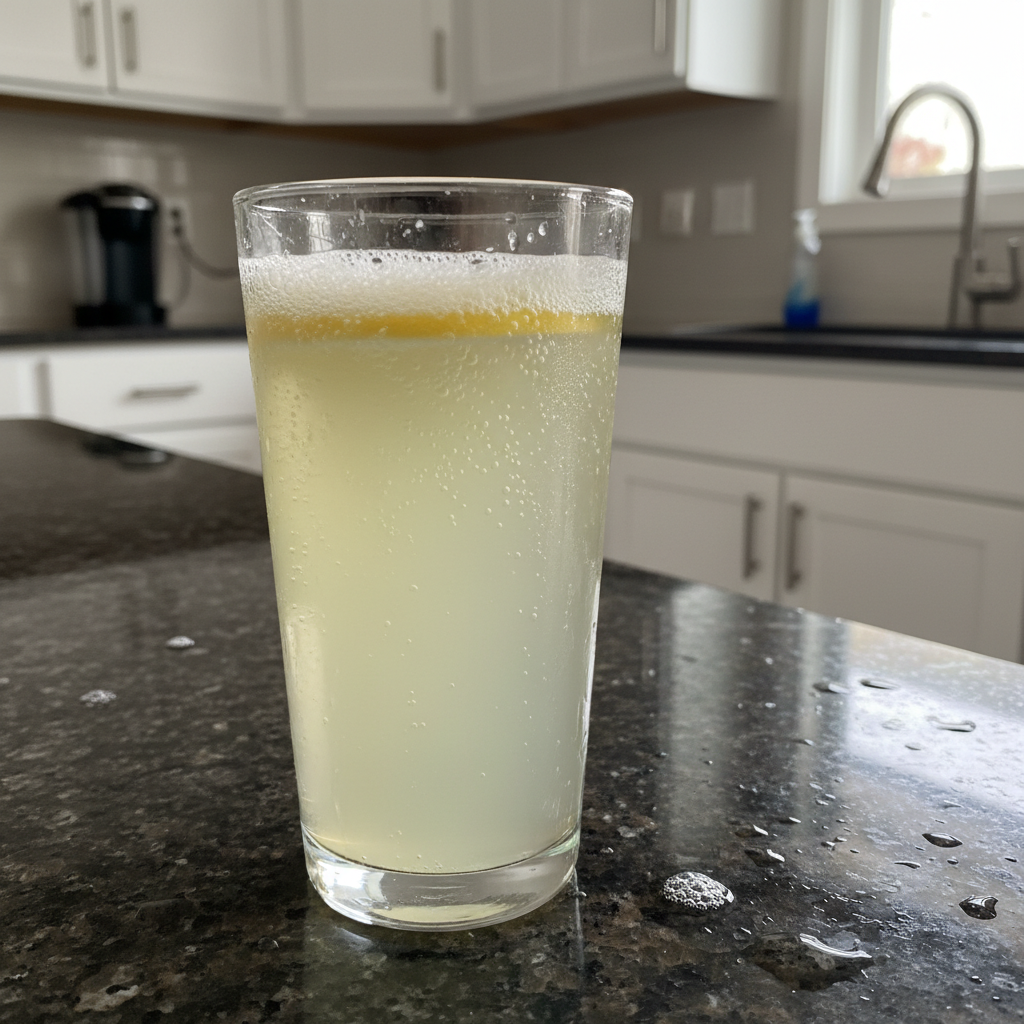
Easy Water Kefir Recipe: Gut-Boosting Probiotic Drink
Ingredients
Equipment
Method
- In a clean 1-liter (1-quart) jar, add your cane sugar and filtered water.
- Screw the lid on tightly and shake vigorously to dissolve the sugar completely.
- Add 1 teaspoon of blackstrap molasses or a few drops of food-grade trace minerals.
- Once the sugar is dissolved and minerals are incorporated, add your water kefir grains to the jar.
- If you wish to add flavorings for primary fermentation, now is the time. A piece of fruit like a wedge of apple, a whole dried fig, or some thick chunks of banana can add subtle flavor and also provide extra nutrients to your grains. Just ensure any dried fruit is un-sulphured fruit.
- Replace the lid loosely, or cover the jar with a tightly-woven cloth secured with a rubber band to allow airflow while keeping out contaminants.
- Let your kefir sit at room temperature (ideally between 68-75°F or 20-24°C) for 2-3 days.
- Signs of successful fermentation include a slight acidic but fresh smell with a lemony taste. You might also notice a slight effervescence or bubbling.
- The water kefir grains may or may not increase in volume; both outcomes can indicate healthy, active grains.
- If you added fruit or other flavoring during primary fermentation, skim it off the top with a clean spoon.
- Using a sieve and a funnel, carefully strain the liquid into clean bottles, separating the water kefir grains.
- Place the grains into a fresh, clean jar, ready for your next batch. Cap the bottles tightly.
- Keep the capped bottles at room temperature for another 1-2 days or more. This is where you can add more flavoring.
- Experiment with fruit purees like mango, ginger slices, fresh berries (like blackberries), fruit syrups, or even a vanilla pod.
- To check the fizziness, gently release the pressure from the bottles, listening for that satisfying hiss of escaping gas. Once you're happy with the fizz, your water kefir is ready to drink immediately or refrigerate for later enjoyment.
- Once you've removed your water kefir grains from the finished brew, they are ready to be used for another batch immediately. This is a continuous brewing process, providing you with a steady supply of delicious probiotic goodness!