1. Introduction
There’s nothing quite like the comforting hug of a warm bowl of cream of chicken soup. It’s a staple in so many beloved comfort food recipes, from hearty casseroles to simple, soothing meals. While canned versions are convenient, I’m here to tell you that making your own homemade cream of chicken soup from scratch is a game-changer. It offers unparalleled flavor, gives you complete control over the ingredients, and is surprisingly easy to achieve. Get ready to elevate your cooking with a rich, creamy base that will become your new go-to for endless applications or simply enjoying on its own.
2. Why You’ll Love This Recipe
My kitchen has seen its share of cream of chicken soup, but this recipe stands above the rest. It’s not just a substitute for a can; it’s a flavor experience. Here’s why I know you’ll adore this version:
- Unrivaled Umami Depth: We’re not just making a creamy base; we’re building layers of flavor. By blooming 1 teaspoon of dried porcini mushroom powder with the butter *before* adding the flour, we infuse the soup with a deep, savory umami backbone and an earthy complexity. For more on how porcini mushroom powder contributes to this savory flavor, learn about the science of umami in mushrooms. This enhancement truly elevates the chicken flavor without overpowering it, making every spoonful more profound.
- Robust Chicken Flavor & Texture: This isn’t just a “cream of” soup; it’s cream of *chicken* soup. Stirring in 1/2 cup of finely shredded rotisserie chicken during the final thickening phase enhances both the chicken flavor and provides tangible, satisfying pieces. It moves beyond a simple condensed soup texture, making it perfect for both stand-alone enjoyment and heartier casseroles.
- Control Over Ingredients: Say goodbye to artificial ingredients, excessive sodium, and strange preservatives found in canned versions. With this homemade cream of chicken soup, you know exactly what goes into your food, allowing for a healthier and more wholesome dish.
- Superior Versatility: This recipe is a direct and superior condensed soup substitute, yielding enough for two 10.5 oz cans. It’s the perfect rich base for countless comfort food dishes, from creamy chicken stew to your favorite casseroles.
- Easy & Rewarding: Don’t be intimidated by scratch cooking! This recipe is simpler than you might think and incredibly rewarding. The vibrant, fresh taste is well worth the minimal effort.
3. Ingredients Needed
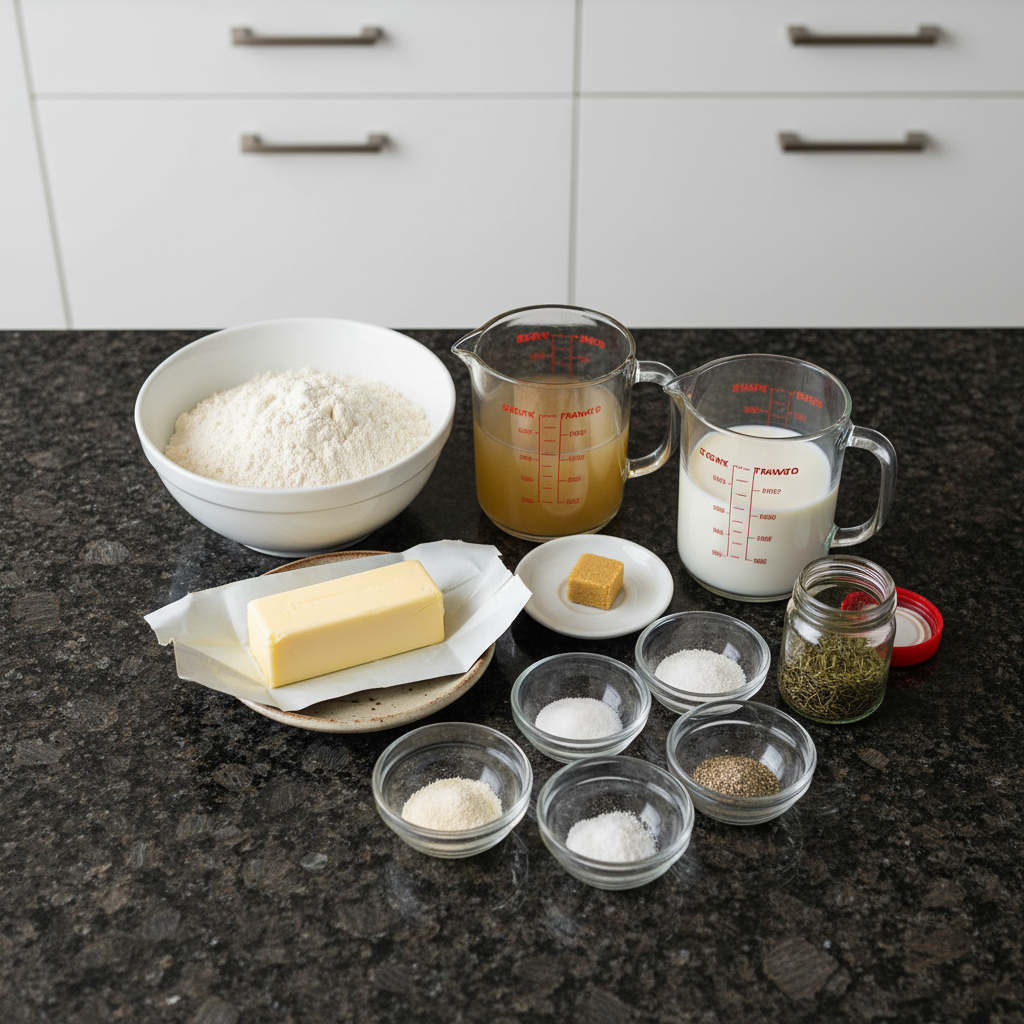
Gather these simple ingredients to create your own superior homemade cream of chicken soup:
- 4 tablespoons butter
- ½ cup + 2 tablespoons flour
- 2 cups chicken broth
- 1 chicken bouillon cube ( or 1 teaspoon Better Than Bouillon. (Optional- see notes.))
- 1 cup milk (preferably whole but any kind works)
- ⅓ teaspoon EACH: celery salt, onion powder, garlic powder, salt, pepper
Ingredient Notes & Substitutions
- Butter: I typically use unsalted butter to have complete control over the sodium content, but salted butter works too – just be sure to adjust the added salt accordingly in the seasoning step.
- Flour: All-purpose flour is essential for creating our creamy roux, which thickens the soup. For a gluten-free variation, you can easily substitute with an equal amount of rice flour or a gluten-free all-purpose blend.
- Chicken Broth & Bouillon: The quality of your chicken broth significantly impacts the final flavor. I recommend using a good quality low sodium chicken broth to manage overall saltiness. A chicken bouillon cube or 1 teaspoon of Better Than Bouillon can dramatically enhance the chicken flavor, especially when using store-bought broths.
- Milk: For the ultimate creamy result, I find that whole milk delivers the richest texture. However, feel free to use any kind of milk you have on hand, including lower-fat dairy options or even unsweetened non-dairy alternatives for specific dietary needs, though the richness may vary slightly.
- Seasonings: Our blend of celery salt, onion powder, garlic powder, salt, and pepper creates a classic savory base that perfectly complements the chicken flavor. These pantry staples are key to a well-rounded taste.
- Our Secret Umami Boosters (Optional, but Highly Recommended!): This is where our recipe truly shines. Adding 1 teaspoon of porcini mushroom powder lends an incredible umami depth, while 1/2 cup of finely shredded rotisserie chicken ensures a delightful texture and even more pronounced chicken flavor. These simple additions elevate the soup from good to gourmet!
4. How to Make Homemade Cream of Chicken Soup
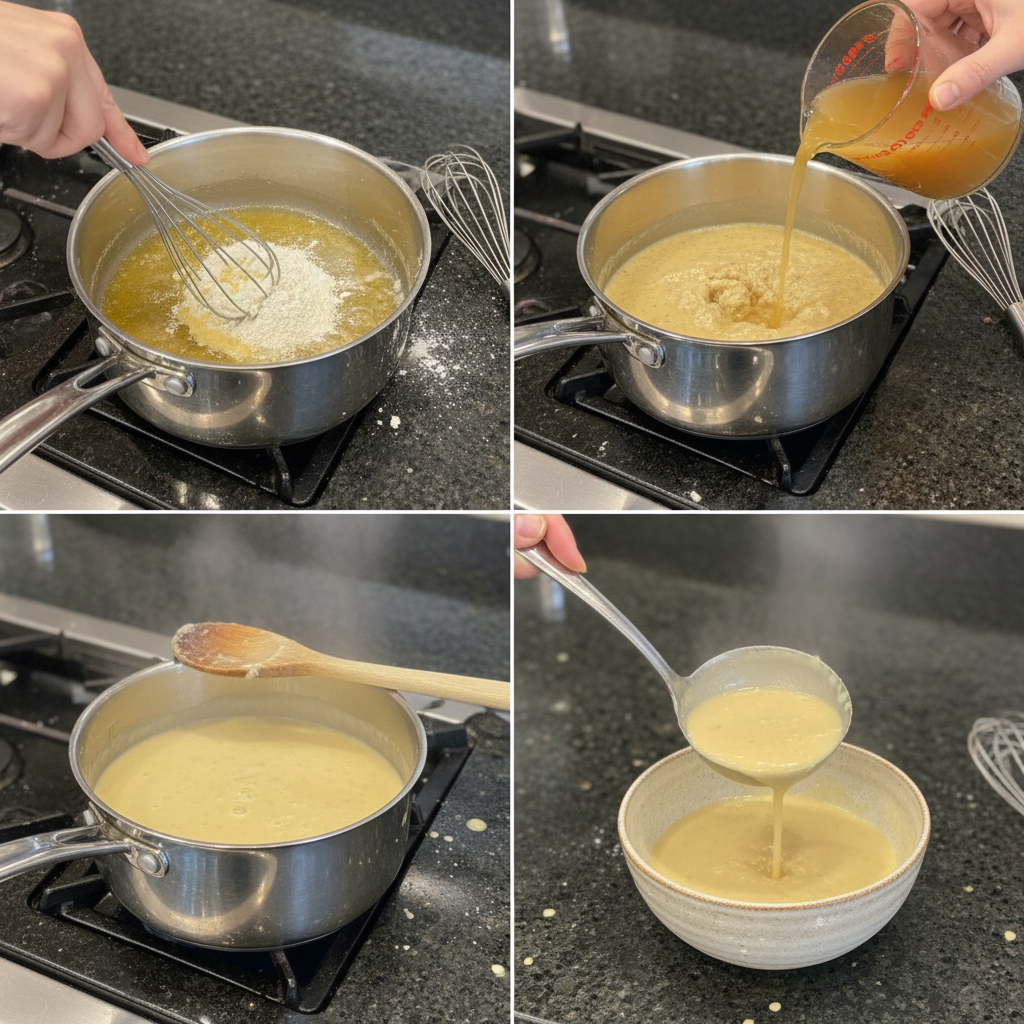
Creating this rich, smooth, and utterly delicious homemade cream of chicken soup is a simple process, but remember this golden rule: it’s important to whisk continuously throughout this process to ensure the smoothest possible consistency.
Step 1: Temper the Milk
Begin by tempering the milk. Place 1 cup of milk in a microwave-safe measuring cup and microwave it for 45 seconds. You want the milk to be warm to the touch, around 100-110°F. This crucial step prevents the milk from curdling when added to the hot roux and helps create a lump-free soup. Set it aside.
Step 2: Prepare the Roux Base
In a medium saucepan, melt the 4 tablespoons of butter over medium heat. Allow it to fully melt and continue cooking until it starts to foam, which usually takes about 3 minutes. This cooks off the water in the butter, creating a better base for your roux. For our signature umami boost, whisk in 1 teaspoon of porcini mushroom powder with the butter *before* adding the flour, ensuring it blooms in the butter for 30 seconds to a minute until fragrant.
Step 3: Create the Roux
Keeping the heat on low, gradually add the ½ cup + 2 tablespoons of flour to the foaming butter and porcini mushroom powder. Whisk continuously for 3-5 minutes. The mixture should form a paste, bubbling gently, with a consistency that is loose but cohesive, resembling a golden blonde wet sand rather than a dry, pasty one. This cooking time is vital as it cooks off the raw flour taste, ensuring a smooth, flavorful soup base.
Step 4: Incorporate Broth
Remove the saucepan from the heat. Add 1/3 of the chicken broth and whisk well until fully incorporated and smooth. This initial addition is critical for preventing lumps. Add another 1/3 of the broth and whisk well again.
Step 5: Combine & Season
Now, add the remaining chicken broth, the chicken bouillon cube (or Better Than Bouillon), your warm tempered milk, and the seasonings (⅓ teaspoon EACH: celery salt, onion powder, garlic powder, salt, pepper). Whisk continuously to thoroughly combine all ingredients.
Step 6: Thicken the Soup
Return the saucepan to medium heat and bring the mixture to a near boil. Continue to whisk constantly as it heats. The soup will begin to get very thick, coating the back of a spoon and resembling the consistency of canned condensed soup. As soon as it reaches this desired thickness, immediately remove it from the heat. For enhanced texture and flavor, stir in 1/2 cup of finely shredded rotisserie chicken until heated through.
Step 7: Final Smoothness & Yield
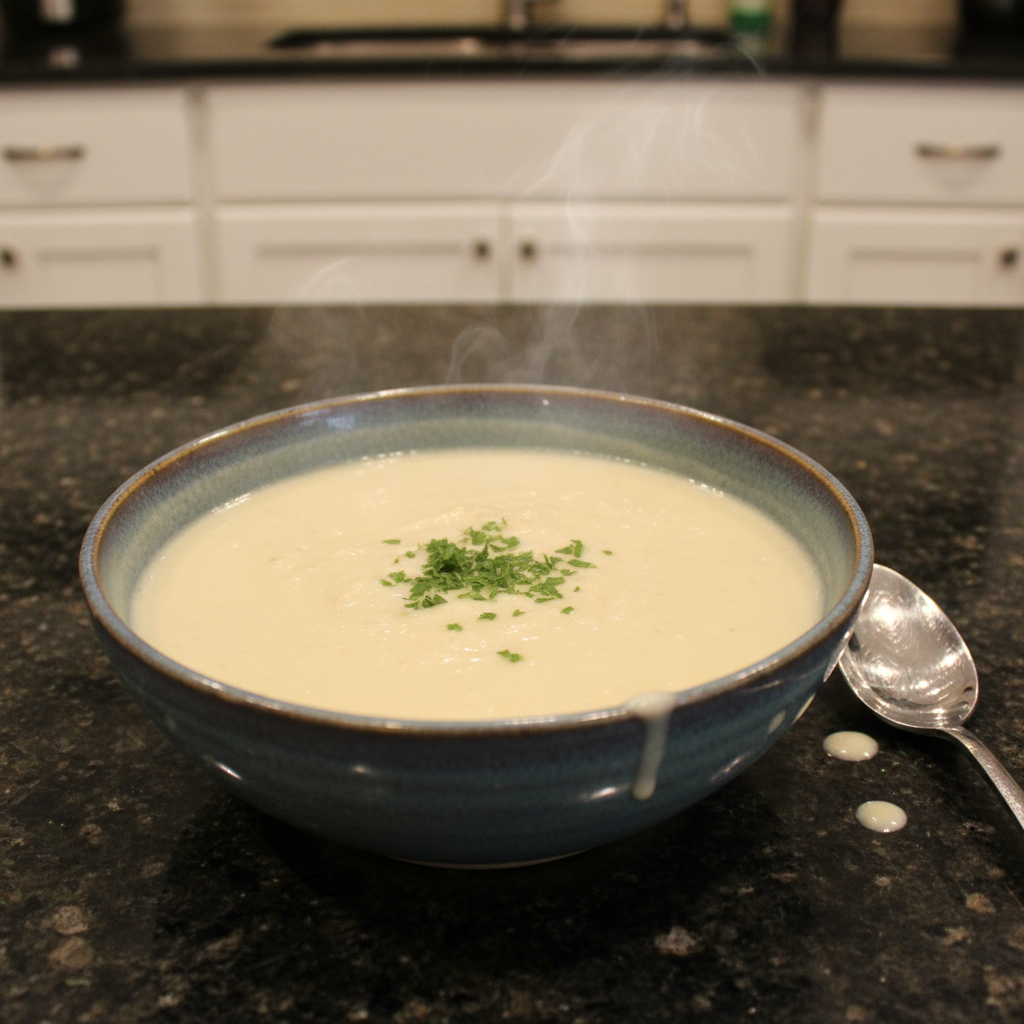
Your beautiful homemade cream of chicken soup is ready! Keep in mind that the soup will continue to thicken upon standing. For an exceptionally super-smooth consistency, much like canned soup, I highly recommend running the warm mixture through a fine mesh strainer. This recipe yields enough to serve as a direct condensed soup substitute for two standard 10.5 oz. cans.
5. Mastering Consistency & Food Safety
Achieving the perfect consistency and ensuring food safety are paramount when cooking any dish, especially a creamy soup. Here’s what you need to know to troubleshoot common issues and safely enjoy your homemade cream of chicken soup.
Troubleshooting Common Consistency Issues
- Soup is Too Thin: If your soup hasn’t thickened enough, don’t despair! Create a small slurry by whisking 1 tablespoon of cornstarch (or flour) with 2 tablespoons of cold water or milk until smooth. Slowly whisk this slurry into your simmering soup and cook for another minute or two until it thickens. Alternatively, if it’s just slightly too thin, you can simply simmer it gently for a few more minutes to allow some liquid to reduce, stirring often.
- Soup is Too Thick: If your soup becomes too thick upon standing or after reheating, it’s an easy fix. Gradually whisk in more warm chicken broth or milk, a tablespoon at a time, until your desired consistency is reached.
- Lumpy Soup: Lumps are often a result of insufficient whisking or not properly tempering the milk. If you end up with lumps, you have a few remedies. You can use an immersion blender directly in the pot to smooth it out, or for a truly silky texture, press the soup through a fine mesh strainer.
- Curdled Milk: This typically happens if you add cold milk to a hot roux too quickly, or if the soup overheats after the milk is added. The best prevention is to always temper your milk. If it does curdle slightly, you can try carefully straining it and then vigorously whisking it back together off the heat. In severe cases, it might be best to start over, ensuring your milk is tempered.
- “Flour Taste” in Soup: This unpleasant taste indicates that the flour in your roux wasn’t cooked long enough. The 3-5 minutes of continuous whisking specified in the recipe is crucial for cooking out that raw flour flavor, ensuring a smooth, nutty base.
Important Food Safety: Why You Can’t Can This Soup
While I love the idea of preserving homemade goodness, it’s critical to understand that homemade cream of chicken soup cannot be safely processed for long-term, shelf-stable storage through home canning. This is due to a few key food safety reasons:
- Dairy and Low-Acid Ingredients: Cream of chicken soup contains significant amounts of dairy (milk) and other low-acid ingredients like chicken. These ingredients create an environment that is highly susceptible to the growth of harmful bacteria, specifically Clostridium botulinum, which produces a deadly toxin if not processed under very specific conditions.
- Lack of Home Pressure Canning Guidelines: There are no USDA-tested or approved guidelines for safely pressure canning cream-based soups at home. Their variable density and ingredient composition make it incredibly difficult to guarantee safe heat penetration throughout the entire jar, which is essential to kill dangerous spores.
- Safe Alternatives: To enjoy your delicious soup later, advise against canning. Instead, rely on safe storage methods like refrigeration for short-term use and freezing for future meals. These methods are proven safe for preserving dairy-based soups.
6. Pro Tips & Troubleshooting
Armed with a few expert insights and knowledge of common pitfalls, you’ll be making flawless homemade cream of chicken soup every time.
Pro Tips for the Perfect Batch
- Continuous Whisking is Key: I cannot stress this enough! From adding the flour to thickening the soup, constant whisking is your best friend for the smoothest consistency.
- Temper Your Milk: Always warm your milk gently before adding it to the hot roux. This vital step prevents curdling and helps ensure a perfectly smooth soup, free of any unsightly lumps.
- Cook the Roux Properly: Take your time melting the butter until it foams, and then whisk in the flour for the full 3-5 minutes. This ensures the raw flour taste is cooked off and you develop a rich, flavorful base for your soup.
- Strain for Silkiness: For a truly restaurant-quality, extra-smooth, and creamy texture reminiscent of high-end canned soup, press your finished soup through a fine mesh strainer before serving or storing.
- Boost Chicken Flavor: Even with good chicken broth, a little extra can go a long way. Incorporating a chicken bouillon cube or a teaspoon of Better Than Bouillon will give your soup a more concentrated and savory chicken flavor.
- Embrace the Umami Twist: Don’t skip the porcini mushroom powder and rotisserie chicken! These enhancements are what truly set this recipe apart, building incredible layers of umami and a satisfying texture that transforms a basic soup into something extraordinary.
- Adjust Sodium to Taste: Since broth and bouillon vary in sodium content, always taste and adjust your salt level before the final seasoning. This allows you to achieve the perfect balance, especially if you’re aiming for a reduced sodium version.
Common Mistakes to Avoid
- Not Cooking Flour Long Enough: The most common culprit for a lingering flour taste in your soup. Ensure you whisk the flour into the butter for the full 3-5 minutes to properly cook it out.
- High Heat When Adding Flour: Adding flour to butter over high heat can cause it to burn quickly, resulting in a bitter taste. Keep the heat on low when incorporating the flour for a smooth, even roux.
- Skipping Milk Tempering: This can lead to unsightly curdling or frustrating lumps in your soup. Always take the extra minute to warm your milk.
- Inconsistent Whisking: The primary cause of a lumpy soup base. Be diligent with your whisking, especially when adding liquids to the roux.
- Overheating After Milk is Added: Once the milk is in, bring the soup to a near boil, but avoid a rolling boil. Excessive heat can cause the dairy to curdle, ruining the creamy texture. Remove from heat as soon as it thickens.
7. Serving & Storage
This versatile homemade cream of chicken soup is not only incredibly flavorful but also perfect for make-ahead meals and diverse culinary applications.
Serving Ideas for Our Creamy Chicken Soup
My kitchen has seen this soup in countless roles. Here are some of my favorite ways to enjoy it:
- Condensed Soup Substitute: This recipe makes enough to directly substitute for two 10.5 oz cans of condensed cream of chicken soup in any recipe, offering far superior flavor and texture.
- Casserole Base: Elevate your favorite casseroles! It’s the perfect creamy foundation for dishes like Chicken Divan, Chicken Tetrazzini, Chicken Broccoli Rice Casserole, or even a comforting Crock Pot Chicken and Stuffing.
- Standalone Comfort: Sometimes, simplicity is best. Serve it warm on its own as a delightful comfort food with a sprinkling of oyster crackers, a slice of crusty bread, or a simple side salad.
- Hearty Stews: Use it as a rich base for a delicious Creamy Chicken Stew, adding vegetables and extra chicken for a complete meal.
Storage and Make-Ahead Tips
This homemade cream of chicken soup is wonderfully freezer-friendly, making it an excellent option for meal prep.
- Refrigeration: Allow the soup to cool completely to room temperature. Transfer it to airtight soup containers and refrigerate for up to 3-4 days.
- Freezing: For longer storage, let the soup cool completely. Transfer it to freezer-safe containers or heavy-duty freezer bags, leaving about an inch of headspace to allow for expansion. Freeze for up to 3 months. This is a fantastic way to have a homemade base ready for casseroles or quick meals.
- Reheating: For refrigerated soup, gently warm it on the stove over medium-low heat, whisking occasionally, or in the microwave, stirring halfway through. For frozen soup, thaw it in the refrigerator overnight, then reheat gently on the stove or in the microwave. Always whisk well during reheating to restore its smooth, creamy consistency. If it’s too thick, add a splash of warm broth or milk.
8. Conclusion
I hope you feel inspired to ditch the can and embrace the joy of making your own homemade cream of chicken soup. With its superior creamy, smooth texture and that incredibly rich umami-packed chicken flavor from our special twist, you’ll wonder why you ever bought it from a store. Even if you’re new to scratch cooking, this recipe is designed for delicious, healthy, and versatile results. Don’t hesitate to experiment with different serving ideas or adapt it to your dietary needs. Enjoy this comforting staple in your kitchen!
9. FAQ
How do I make homemade cream of chicken soup smooth and lump-free?
Achieving a smooth, lump-free soup relies on a few key techniques: whisk continuously, especially when adding liquids to the roux; always temper milk by warming it before adding to the hot roux; and for an extra silky finish, you can press the finished soup through a fine mesh strainer.
Can I use homemade cream of chicken soup as a direct substitute for canned condensed soup?
Absolutely! This recipe makes enough to perfectly substitute for two 10.5 oz cans of condensed cream of chicken soup. Its superior flavor and texture will enhance your favorite casseroles like Chicken Divan or Chicken Tetrazzini.
What is the best way to store and reheat homemade cream of chicken soup?
Store cooled soup in airtight soup containers in the refrigerator for up to 3-4 days. For longer storage, freeze in freezer-safe containers for up to 3 months. When reheating, gently warm it on the stove or in the microwave, whisking frequently to restore its smooth, creamy consistency. If it’s too thick, simply whisk in a splash of warm broth or milk.
Are there any dietary modifications for homemade cream of chicken soup, such as gluten-free or low-sodium options?
Yes! To make this recipe gluten-free, use an equal amount of rice flour or a gluten-free all-purpose flour blend in place of regular flour for the roux. For a reduced sodium version, use unsalted butter and low sodium chicken broth and bouillon, then adjust the added salt to your taste after preparing.
What is the role of each ingredient in making a creamy soup base?
The butter and flour are crucial for forming the roux, which acts as the primary thickening agent. Chicken broth and milk (preferably whole milk for creaminess) form the liquid base. A chicken bouillon cube boosts the concentrated chicken flavor, while seasonings like celery salt, onion powder, garlic powder, salt, and pepper build the savory profile. Our unique twist adds porcini mushroom powder for incredible umami and rotisserie chicken for texture and robust flavor.
What are some popular recipes where I can use homemade cream of chicken soup?
This versatile soup is perfect for a wide range of comfort foods! Beyond enjoying it on its own, it excels as the base for Chicken Divan, Chicken Tetrazzini, Chicken Broccoli Rice Casserole, or a hearty Creamy Chicken Stew. It can also be used in various crock pot and instant pot recipes that call for condensed cream of chicken soup.
Why can’t homemade cream of chicken soup be canned for long-term storage?
Homemade cream of chicken soup cannot be safely canned for long-term, shelf-stable storage due to its dairy content and other low-acid ingredients. These ingredients create an environment where harmful bacteria, like Clostridium botulinum, can thrive if not processed under very specific (and currently unavailable for home use) conditions. Freezing is the safe and recommended method for preserving this soup.
What kind of milk is best for cream of chicken soup?
I recommend using whole milk for the richest and creamiest result. However, any type of milk—dairy or non-dairy alternatives—can be used, with slight variations in richness and texture. Just make sure to temper it before adding.
Homemade Cream of Chicken Soup: Umami-Rich & Super Creamy
Ingredients
Equipment
Method
- Place 1 cup of milk in a microwave-safe measuring cup and microwave for 45 seconds until warm to the touch (100-110°F). This prevents curdling when added to the hot roux. Set aside.
- In a medium saucepan, melt 4 tablespoons of butter over medium heat until it foams (about 3 minutes). This cooks off water from the butter. Whisk in 1 teaspoon of porcini mushroom powder, letting it bloom for 30 seconds to a minute until fragrant.
- Keeping the heat on low, gradually add the ½ cup + 2 tablespoons of flour to the foaming butter and porcini mushroom powder. Whisk continuously for 3-5 minutes until a loose, cohesive paste forms. This cooks off the raw flour taste.
- Remove the saucepan from the heat. Add 1/3 of the chicken broth and whisk well until fully incorporated and smooth. Add another 1/3 of the broth and whisk well again to prevent lumps.
- Add the remaining chicken broth, the chicken bouillon cube (or Better Than Bouillon), the warm tempered milk, and the seasonings (⅓ teaspoon EACH: celery salt, onion powder, garlic powder, salt, pepper). Whisk continuously to thoroughly combine all ingredients.
- Return the saucepan to medium heat and bring the mixture to a near boil, whisking constantly. The soup will thicken to a consistency resembling canned condensed soup. Immediately remove from heat once thickened. Stir in 1/2 cup of finely shredded rotisserie chicken until heated through.
- Your homemade cream of chicken soup is ready. The soup will continue to thicken upon standing. For an exceptionally smooth consistency, run the warm mixture through a fine mesh strainer. This recipe yields enough to serve as a direct condensed soup substitute for two standard 10.5 oz. cans.